
Experienced Veterinary Surgeons Providing Trusted Care
Our veterinarians are trained and experienced to perform a range of general and advanced surgical procedures. Your pet’s safety is our #1 concern and we take every precautionary step to ensure each procedure we perform is safe and successful.
General & Advanced Surgery
Before surgery, a physical exam and pre-anesthetic blood work are performed. This is to be sure a pet is healthy enough for anesthesia and surgery.
During surgery, an assistant monitors vital signs and levels of anesthesia with the use of a number of monitors and equipment.
After surgery, in recovery, pain management and comfort are top priority. We will discuss recommended at-home care and follow-up visits during your pet’s discharge appointment.
Ruptured Cranial Cruciate Ligament TPLO Surgery
A ruptured cranial cruciate ligament (CCL) is a common injury in dogs that causes instability in the knee joint, leading to pain and limited mobility. TPLO (Tibial Plateau Leveling Osteotomy) surgery is one of the most effective treatments for this condition. It involves reshaping the tibia (shin bone) to improve the stability of the knee joint, reduce pain, and allow your pet to return to normal activity. TPLO is a highly successful surgery that helps restore mobility and quality of life for pets affected by CCL injuries.
Why TPLO Surgery May Be Necessary for Pets
CCL injuries are often caused by trauma or wear and tear over time, especially in active or older pets. When the CCL is ruptured, it causes the knee joint to become unstable, leading to pain, swelling, and difficulty walking. Without treatment, this can result in long-term arthritis, muscle atrophy, and a reduced quality of life.
TPLO surgery stabilizes the joint by altering the angle of the tibia, which helps restore function and prevent further damage to the knee. This surgery is often recommended for pets who are not responding to conservative treatments, such as rest or medication, and are still experiencing pain or limping.
What Does the Surgery Include:
- Pre-surgery Evaluation: Consultation with Dr. Rose to review your pet’s condition and prepare for the surgery.
- Anesthesia and Monitoring: IV fluids, anesthesia, and close monitoring throughout the procedure.
- X-rays: Pre-op and post-op X-rays to ensure proper healing.
- Recovery Care: Post-surgery pain management and medication, including antibiotics and NSAIDs.
- Follow-up Care: Post-op phone call and in-person discharge appointment to review aftercare instructions and medications.
What to Expect After Surgery:
- Incision Care: Monitor the incision for signs of redness, swelling, or discharge.
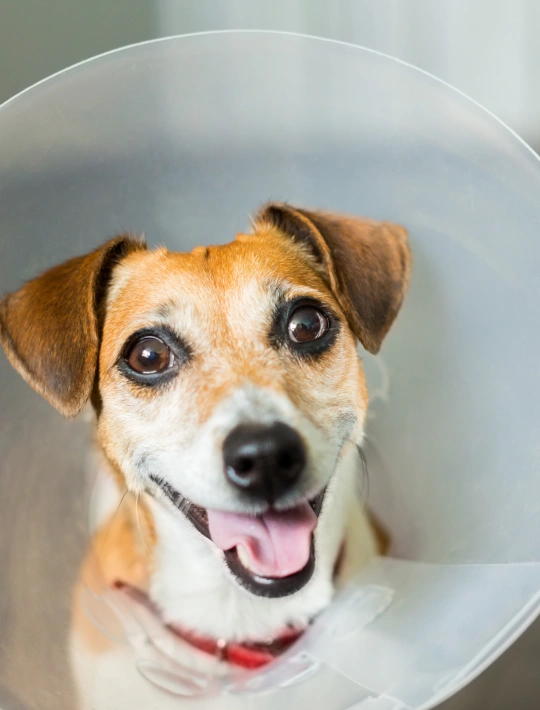
- E-collar: Keep your pet in an e-collar to prevent them from licking the incision until sutures are removed.
- Exercise Restrictions: Strict rest for at least 8 weeks. Leash walks are encouraged, but avoid running, jumping, or any high-impact activities.
- Physical Therapy: Includes heat and cold therapy and passive range-of-motion exercises to aid recovery.
- Recheck Appointments: Suture/staple removal 10-14 days after surgery, with follow-up X-rays at 7-8 weeks.
- Medications: Pain relief and antibiotics will be prescribed after surgery.
Spay/Neuter Procedure
Spay/Neuter procedure is recommended for all pets to maximize overall health, minimize the risk for certain infections and diseases, prevent unwanted litters, and inhibit undesirable sexual behaviors like roaming and aggression.
Foreign Body Removal
Foreign body removal remedies GI obstruction, which can be very dangerous and fatal. If you suspect your pet has consumed a foreign object, or is showing signs of vomiting, decreased appetite, or abnormal stool, seek urgent care.
Orthopedic Surgery
Orthopedic Surgery relieves pets of bone, joint, and muscle/tendon conditions, such as fractures and dislocations, ACL tears, and patella luxation.
Oncological Surgery
Oncological surgery is performed to treat pets with various cancers so they can live longer, happier, and healthier lives.
Soft Tissue Surgery
Soft-Tissue surgery is performed for mass removal, trauma and laceration repair, foreign body removal, and more.
Oral Surgery
Oral surgery is usually performed during dental procedures for pets diagnosed with dental disease, oral tumors, or broken teeth.
C-Sections
C-Sections are performed to aid dogs or cats with delivery, when there is a problem with natural delivery.
Superior