
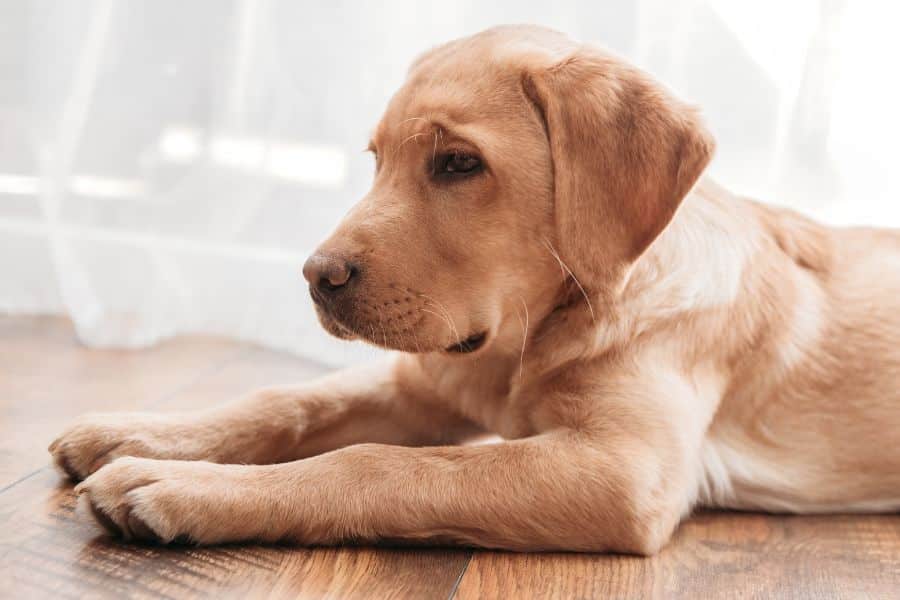
A dog with a suddenly hard, swollen stomach may be experiencing more than simple gas or an upset stomach. Dog bloat can develop rapidly and may become life-threatening when the stomach fills with gas and twists, cutting off blood flow. A swollen abdomen, repeated attempts to vomit without producing anything, restlessness, drooling, weakness, or collapse should be treated as urgent warning signs. This guide explains what causes bloat, what symptoms to watch for, what veterinarians do during an evaluation, and what you can do when your dog’s stomach suddenly looks or feels abnormal.
Why is a hard, swollen stomach in a dog a cause for concern
A hard, swollen abdomen can indicate that the stomach has become dangerously distended with gas, food, or fluid. In some cases, the stomach can also rotate, leading to a condition called gastric dilatation-volvulus (GDV) that can quickly compromise circulation and organ function.
Early signs may include:
- A noticeably enlarged or tight abdomen
- Restlessness or inability to get comfortable
- Repeated attempts to vomit with little or nothing coming up
- Excessive drooling
- Pacing
- Rapid breathing
- Signs of abdominal pain
As the condition progresses, your dog may become weak, pale-gummed, unsteady, or unable to stand. Collapse is an especially serious warning sign.
The important point is that you cannot safely determine the severity of abdominal swelling at home. A veterinarian needs to examine your dog and may use imaging to determine what is happening inside the abdomen.
What causes dog bloat
Bloat occurs when the stomach becomes abnormally enlarged. The exact reason some dogs develop this condition is not always clear, but certain dogs have a higher risk.
Factors associated with increased risk include:
- Body shape: Large, deep-chested dogs are more vulnerable.
- Age: Risk tends to increase as dogs get older.
- Eating habits: Rapid eating may contribute to stomach distension.
- Large meals: Consuming a large amount of food at once can increase stomach expansion.
- Family history: Dogs with close relatives that experienced GDV may have an increased risk.
- Stress or anxiety: Some dogs with anxious temperaments may be at greater risk.
Breeds such as Great Danes, German Shepherd Dogs, Standard Poodles, Doberman Pinschers, and other deep-chested breeds are commonly considered higher-risk groups.
However, breed alone does not determine whether a dog can develop bloat. Any dog showing sudden abdominal enlargement and concerning symptoms should be evaluated promptly.
What are the early symptoms of dog bloat
The earliest signs can sometimes look subtle. A dog may initially seem restless rather than obviously ill, making it easy to overlook the problem.
Watch for changes such as:
- Pacing or repeatedly changing positions
- Looking at or licking the abdomen
- Restlessness after eating
- Excessive drooling
- Retching without producing vomit
- A tight or enlarged belly
- Whining or other signs of discomfort
- Refusing food
- Rapid breathing
One of the most concerning combinations is abdominal swelling plus repeated unproductive retching. If your dog keeps trying to vomit but nothing comes up, do not wait for the symptom to resolve on its own.
The abdomen may not always appear dramatically enlarged at first. In some dogs, especially those with deep chests, the most important clues may be behavior changes, retching, drooling, or signs of pain.
How do veterinarians diagnose and treat bloat
When a dog arrives with suspected bloat, the veterinarian first performs a rapid physical examination. The goal is to determine how severely the stomach is distended and whether your dog is showing signs of poor circulation or shock.
Diagnostic testing may include:
- Abdominal X-rays
- Blood tests
- Heart rate and blood pressure monitoring
- Assessment of gum color and circulation
- Evaluation of breathing and abdominal pain
X-rays can help veterinarians determine whether the stomach is severely distended and whether it has rotated. Consider this realistic example. A large adult dog was brought in after becoming restless shortly after an evening meal. The owner noticed that the abdomen looked larger and that the dog repeatedly tried to vomit without bringing anything up. During the examination, the veterinarian recognized the combination of abdominal distension and unproductive retching as a serious concern, allowing treatment and further evaluation to begin without delay. Treatment depends on the dog’s condition and whether the stomach has twisted. Initial care may involve stabilizing circulation, relieving pressure inside the stomach, managing pain, and preparing for surgery when GDV is confirmed. This is because GDV can progress rapidly; this is not a condition that should be monitored at home.
What can dog owners do to reduce bloat risk
There is no way to guarantee that a dog will never develop bloat, but owners can discuss risk reduction with their veterinarian. Feeding and lifestyle choices may be particularly important for dogs considered high risk.
Helpful habits may include:
- Feed smaller meals rather than one very large meal.
- Slow down dogs that eat extremely quickly.
- Avoid intense exercise immediately after meals.
- Discuss your dog’s individual risk factors with your veterinarian.
- Monitor dogs closely for sudden abdominal or behavioral changes.
If your dog has a history that may increase the risk of GDV, ask your veterinarian whether additional preventive options should be considered. It is also helpful to learn what your dog’s normal abdomen feels and looks like. Familiarity with normal behavior makes sudden changes easier to recognize.
When should you seek veterinary care
A hard or swollen stomach should never be dismissed when it appears suddenly, especially when other warning signs occur.
Seek veterinary care from your Superior vet if your dog has:
- Sudden abdominal swelling
- Repeated dry heaving or retching
- Severe restlessness
- Excessive drooling
- Difficulty breathing
- Pale or abnormal-looking gums
- Weakness or difficulty standing
- Collapse
- Severe abdominal pain
Do not wait for your dog to develop every symptom before seeking help. Bloat and GDV can worsen quickly, and early veterinary assessment gives your dog the best opportunity for appropriate treatment.
If you are unsure whether your dog’s swollen stomach is serious, it is safer to contact a veterinarian promptly rather than assuming it is ordinary gas.
Conclusion
A hard, swollen stomach is one of those signs that dog owners should take seriously. Dog bloat can begin with restlessness, drooling, abdominal enlargement, or repeated attempts to vomit, then progress rapidly to weakness, shock, and collapse when GDV occurs. Knowing your dog’s normal behavior and recognizing these early changes can help you respond quickly. If your dog suddenly develops a tight abdomen, unproductive retching, or other concerning symptoms, contact Superior Animal Hospital and Boarding Suites in Superior, WI, for prompt veterinary evaluation. When bloat is suspected, acting quickly is far safer than waiting to see whether the symptoms improve.
FAQs
Q1: What does dog bloat feel like?
A: The abdomen may feel unusually tight, firm, or distended. However, owners should not rely on feeling the stomach alone because early bloat may not cause obvious swelling.
Q2: Can a dog have bloat without a swollen stomach?
A: Yes. Some dogs may show restlessness, retching, drooling, or abdominal discomfort before obvious swelling develops. Any combination of these signs warrants prompt veterinary attention.
Q3: How quickly can dog bloat become serious?
A: Bloat can progress rapidly, particularly when the stomach twists and GDV develops. This is why sudden abdominal swelling combined with retching or weakness should be treated as urgent.
Q4: Can dogs survive bloat?
A: Many dogs can recover when they receive prompt veterinary treatment. The outcome depends on factors such as whether the stomach has twisted, how long the condition has been present, and the dog’s overall health.
Q5: When should I take my dog to a veterinarian for a swollen stomach?
A: Seek urgent veterinary care for sudden swelling, especially if your dog is retching without producing vomit, pacing, drooling, showing pain, breathing rapidly, becoming weak, or collapsing. Do not wait for symptoms to become severe.
Superior