
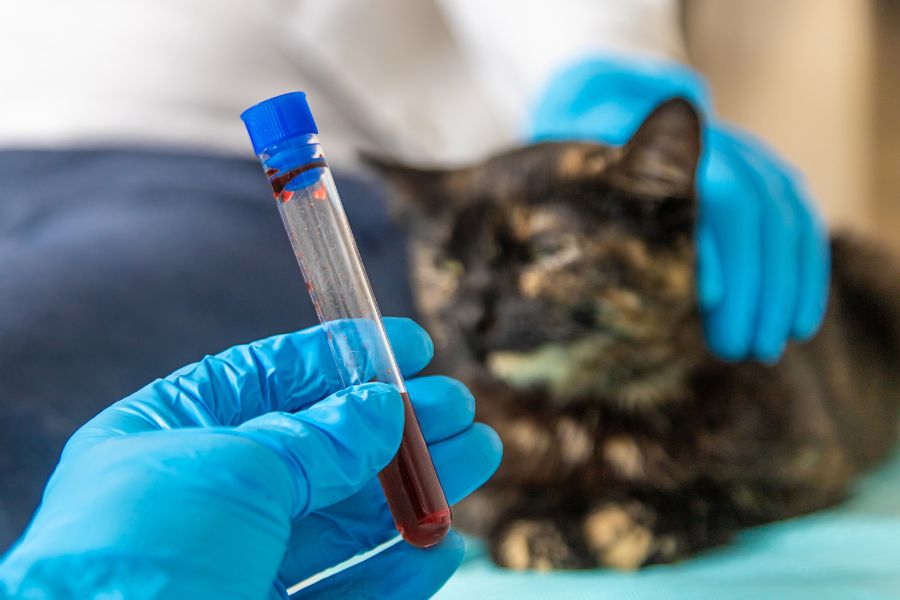
When your pet is not feeling well, diagnostic testing often provides the fastest path to answers. Pet diagnostic tests help veterinarians detect illness early, confirm a diagnosis, and build the right treatment plan for dogs and cats of all ages. Knowing what these tests are and why they matter can make vet visits less stressful for pet owners.
In this guide, we’ll explain the most common tests used in veterinary medicine, what they look for, and how they help protect your pet’s long-term health.
What Are Pet Diagnostic Tests
Pet diagnostic tests are medical tools veterinarians use to evaluate your pet’s internal health. Since pets cannot describe symptoms, these tests give valuable insight into what may be happening inside the body.
They may be recommended when your pet shows signs such as:
- Vomiting or diarrhea
- Lethargy or weakness
- Weight loss or gain
- Increased thirst or urination
- Limping or pain
- Skin problems
- Breathing issues
- Changes in appetite
Testing is also important during wellness visits, senior pet exams, and before surgery.
Blood Tests for Pets
Bloodwork is one of the most common and useful pet diagnostic tests. A small blood sample can reveal major information about your pet’s health.
Complete Blood Count (CBC)
A CBC checks:
- Red blood cells, which carry oxygen
- White blood cells, which fight infection
- Platelets, which help blood clot
This test can help detect anemia, infection, inflammation, and immune issues.
Blood Chemistry Panel
A chemistry panel evaluates organ function and body balance, including:
- Liver health
- Kidney function
- Blood sugar levels
- Electrolytes
- Protein levels
This test is often used for sick pets, senior pets, and pre-anesthetic screening.
Urinalysis for Dogs and Cats
Urinalysis is another essential diagnostic tool. It evaluates the urine for signs of disease and helps assess kidney and bladder health.
A urinalysis can help identify:
- Urinary tract infections
- Kidney disease
- Diabetes
- Bladder crystals or stones
- Dehydration
For pets drinking more water than usual or having accidents indoors, this test is especially helpful.
Fecal Testing for Parasites
Intestinal parasites are common in pets, even indoor animals. Fecal testing checks a stool sample for worms and microscopic parasites.
This test may detect:
- Roundworms
- Hookworms
- Whipworms
- Giardia
- Other intestinal parasites
Routine fecal exams are often recommended annually, especially for puppies, kittens, and pets that spend time outdoors.
Pet X-Rays and Imaging
Imaging tests allow veterinarians to look inside the body without surgery.
Digital X-Rays
X-rays are commonly used to evaluate:
- Broken bones
- Arthritis
- Foreign object ingestion
- Heart enlargement
- Lung disease
- Abdominal issues
Digital imaging offers quick results and clear images.
Ultrasound
Ultrasound uses sound waves to view soft tissues and organs. It can help assess:
- Liver and kidneys
- Bladder
- Pregnancy
- Tumors or masses
- Internal inflammation
Unlike X-rays, ultrasound is excellent for soft tissue detail.
Skin and Ear Testing
Pets with itching, hair loss, rashes, or ear infections often need targeted tests.
Common options include:
- Skin scraping to check for mites
- Cytology to identify bacteria or yeast
- Ear swabs to examine infections
- Fungal testing for ringworm concerns
These tests help ensure the right medication is prescribed.
Heartworm and Tick-Borne Disease Testing
For dogs, annual heartworm testing is highly recommended. Blood tests can detect heartworm infection before symptoms appear.
Tick-borne disease screening may also check for illnesses such as:
- Lyme disease
- Ehrlichiosis
- Anaplasmosis
Early testing allows faster treatment and better outcomes.
Why Early Testing Matters
Many diseases are easier to manage when found early. Pets often hide pain and illness until conditions become advanced.
Routine pet diagnostic tests can help:
- Catch disease before severe symptoms begin
- Monitor chronic conditions
- Improve treatment success
- Reduce emergency visits
- Support a longer, healthier life
Preventive testing is especially important for senior pets.
How to Prepare Your Pet for Diagnostic Testing
You can help make the visit smoother by:
- Bring a list of symptoms and when they started
- Mentioning changes in appetite, behavior, or energy
- Bring a stool or urine sample if requested
- Following fasting instructions for bloodwork
- Staying calm to help your pet relax
Your trusted Superior veterinarian near you will guide you through every step.
Understanding common diagnostic tools helps pet owners feel more confident during veterinary visits. From bloodwork to imaging, pet diagnostic tests play a key role in detecting illness early and guiding effective treatment. If your pet is showing unusual symptoms or is due for preventive screening, schedule an appointment with Superior Animal Hospital & Boarding Suites in Superior, WI, today.
FAQs
Q1: What are the most common pet diagnostic tests?
Ans: Common tests include bloodwork, urinalysis, fecal exams, X-rays, ultrasound, and skin or ear testing. Each test helps identify different health concerns.
Q2: How often should pets get diagnostic testing?
Ans: Healthy adult pets often benefit from annual wellness testing, while senior pets may need testing every 6 to 12 months, depending on age and health.
Q3: Are pet diagnostic tests painful?
Ans: Most tests are minimally invasive. Blood draws may cause brief discomfort, while urine, stool, and imaging tests are generally low-stress.
Q4: Why does my veterinarian recommend bloodwork before surgery?
Ans: Pre-surgical bloodwork checks organ function, blood counts, and hidden health issues to help make anesthesia safer.
Q5: Can indoor pets still need fecal testing?
Ans: Yes, indoor pets can still be exposed to parasites through contaminated shoes, insects, soil, or contact with other animals.
Related Articles

Superior