
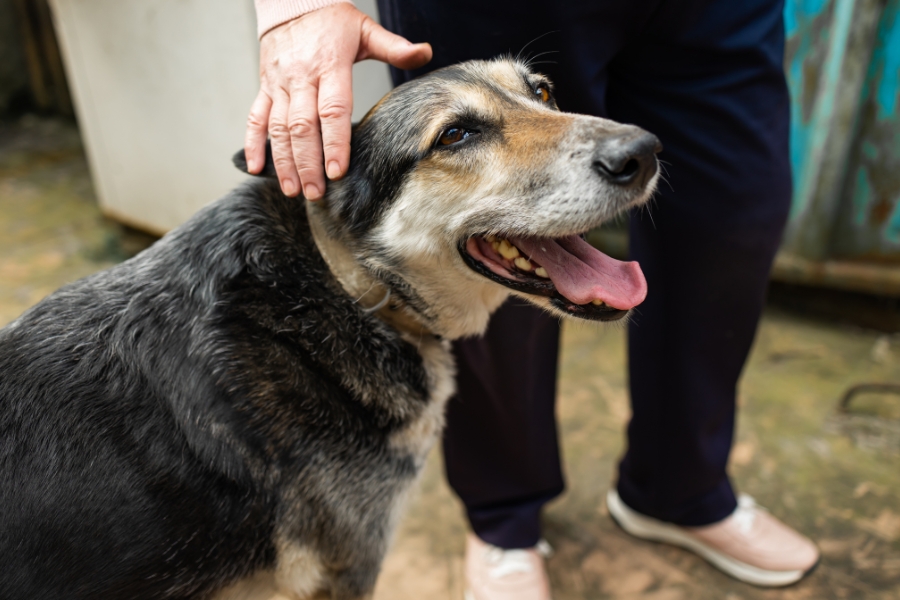
As dogs grow older, their needs naturally change. Just like people, aging pets require more thoughtful attention to stay comfortable, active, and happy. You may notice your dog slowing down, sleeping more, or needing extra help with everyday activities. While these changes are normal, there is still so much you can do to support their well-being.
The good news is that small, consistent adjustments can make a big difference. From diet and exercise to home comfort and emotional support, every thoughtful step helps your dog enjoy their golden years. In this guide, we’ll walk through practical, easy-to-follow strategies that can truly enhance your senior dog’s quality of life—especially for families here in Superior, WI.
Understand Your Dog’s Changing Needs
First and foremost, it’s important to recognize that aging affects every dog differently. Some seniors remain playful and energetic, while others develop stiffness, vision changes, or reduced stamina. Therefore, pay close attention to subtle shifts in behavior, appetite, and mobility.
Because early awareness leads to better outcomes, keep a simple journal of any changes you notice. For example, track eating habits, bathroom routines, and energy levels. Then, share this information with your veterinarian during visits. This proactive approach helps catch concerns early and allows your care team to tailor recommendations specifically to your dog.
Adjust Their Diet for Optimal Health
Nutrition plays a central role in helping older dogs feel their best. As metabolism slows, many seniors need fewer calories but higher-quality nutrients. Therefore, switching to an age-appropriate diet can support energy, digestion, and overall vitality.
Look for foods that include:
- High-quality protein to maintain lean muscle
- Omega-3 fatty acids to support joints and brain health
- Added fiber and probiotics for easier digestion
- Antioxidants to strengthen immune function
- Glucosamine and chondroitin for joint comfort
At the same time, avoid table scraps and overly rich treats, which can upset sensitive stomachs or lead to weight gain. Instead, offer healthy snacks like vet-approved soft treats or small portions of cooked vegetables.
Equally important, always provide fresh, clean water. Older dogs can dehydrate more easily, so encourage regular drinking throughout the day.
Maintain Gentle, Consistent Exercise
Although your senior dog may not run like they once did, regular movement still matters. In fact, gentle exercise improves circulation, preserves joint flexibility, and helps prevent obesity.
Start with short, relaxed walks once or twice daily. Then, add light play sessions with soft toys. If your dog enjoys water, swimming offers excellent low-impact movement that’s easy on aging joints.
In addition, mental stimulation counts as exercise too. Food puzzles, scent games, and basic training refreshers keep your dog’s mind active while strengthening your bond.
However, always watch for signs of fatigue. If your dog slows down, pants heavily, or seems uncomfortable, take a break. Consistency matters more than intensity.
This balanced routine supports overall wellness and forms a key part of thoughtful senior dog care.
Schedule Regular Veterinary Checkups
As dogs age, routine veterinary visits become even more important. Instead of annual exams, most seniors benefit from checkups every six months. These appointments allow your veterinarian to monitor age-related changes and catch problems early.
During these visits, your vet may:
- Check weight, heart, lungs, and joints
- Screen for conditions like arthritis, diabetes, or kidney disease
- Review medications or supplements
- Recommend blood work for internal health monitoring
- Provide dental evaluations or cleanings
Early detection often means simpler treatments and better long-term comfort. At Superior Animal Hospital and Boarding Suites, our team focuses on preventive care and personalized plans to help older pets thrive, including families throughout Superior, WI.
Create a Comfortable Home Environment
Next, take a look at your dog’s living space. Aging pets often struggle with slippery floors, high furniture, and hard sleeping surfaces. Fortunately, a few simple upgrades can greatly improve comfort and safety.
Consider adding:
- Orthopedic beds for joint support
- Non-slip rugs on tile or hardwood floors
- Pet ramps or stairs for couches and beds
- Raised food and water bowls to reduce neck strain
- A warm, quiet resting area away from drafts
These changes reduce stress on aging joints and make daily life easier. As a result, your dog can move more confidently and rest more peacefully.
Stay Consistent With Dental Care
Dental health often declines with age, yet it directly impacts overall wellness. Gum disease and tooth decay can cause pain, appetite loss, and even infections that affect major organs.
To protect your dog’s mouth:
- Brush teeth regularly using pet-safe toothpaste
- Offer veterinarian-approved dental chews
- Schedule professional cleanings when recommended
By staying consistent, you help prevent discomfort and support better digestion, heart health, and immune function.
Watch for Behavioral or Cognitive Changes
As dogs grow older, their behavior can shift. Some seniors become anxious, restless at night, or less interested in their favorite activities. Others may seem confused or disoriented.
These changes may signal:
- Canine cognitive decline
- Vision or hearing loss
- Chronic pain
- Anxiety or depression
Instead of assuming these signs are “just aging,” talk with your veterinarian. Many supportive therapies, supplements, and lifestyle adjustments can improve comfort and mental clarity.
Once again, attentive senior dog care focuses on both physical and emotional well-being.
Offer Patience, Routine, and Plenty of Love
Above all, your senior dog still needs your companionship. Maintain a predictable daily routine for meals, walks, and bedtime. This structure reduces anxiety and builds confidence.
Additionally, spend quality time together. Gentle petting, calm conversations, and relaxed bonding moments mean more to an older dog than you might realize. Your presence reassures them and strengthens the connection you’ve shared for years.
Remember, your dog has given you unwavering loyalty. Now is the time to return that love with patience, understanding, and compassion.
Supporting an aging dog is about thoughtful nutrition, gentle movement, regular veterinary care, and a loving home environment. With consistent attention and small adjustments, you can help your companion stay comfortable, engaged, and happy well into their later years.
If you are in Superior, WI, and looking for senior dog care, book an appointment with Superior Animal Hospital and Boarding Suites. Our veterinary team is here to provide compassionate guidance, personalized wellness plans, and ongoing support for every stage of your dog’s life.
FAQs
Q1. At what age is a dog considered a senior?
Ans. Most dogs enter their senior years around age 7. However, large breeds may age faster and become seniors closer to 6, while smaller breeds may not reach senior status until 8 or 9.
Q2. What is the best diet for older dogs?
Ans. Senior dogs benefit from foods with quality protein, lower fat, added joint support, and digestive-friendly ingredients. Always consult your veterinarian before changing diets.
Q3. How often should senior dogs visit the vet?
Ans. Twice-yearly wellness exams are ideal for senior dogs. More frequent visits may be recommended if your dog has ongoing medical conditions.
Q4. Can older dogs still learn new things?
Ans. Yes. Senior dogs can absolutely learn new skills. Short, positive training sessions help keep their minds sharp and improve confidence.
Q5. How can I help my senior dog with joint stiffness?
Ans. Maintain a healthy weight, provide soft bedding, offer gentle exercise, and ask your vet about joint supplements or pain management options.
Q6. Is it normal for senior dogs to sleep more?
Ans. Increased sleep is common with age. However, extreme lethargy or sudden behavior changes should always be discussed with your veterinarian.
Related Articles
Superior