
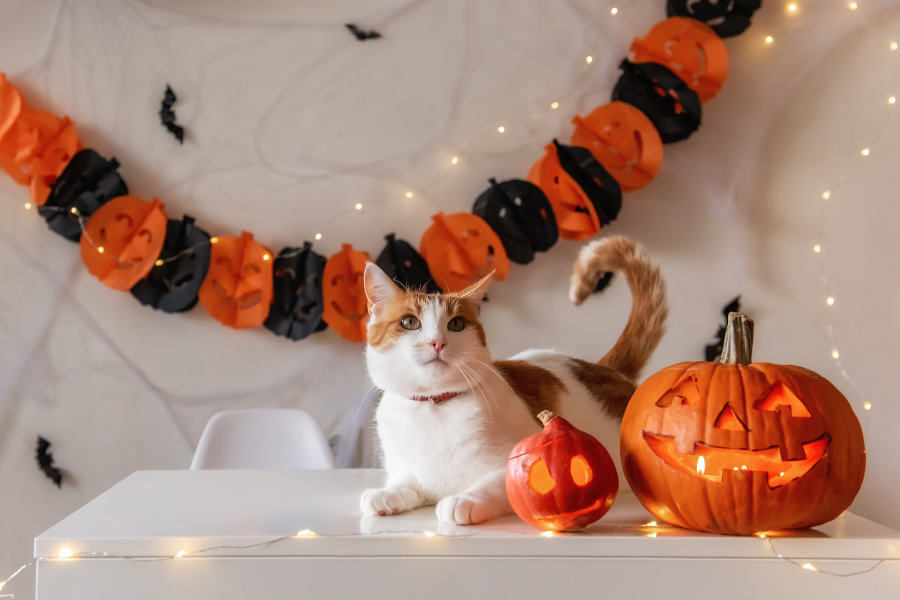
Halloween can be full of excitement, from doorbells and costumes to visitors and bowls of candy. While some pets enjoy being part of the action, others may feel nervous around unfamiliar people, loud sounds, or sudden changes at home. Even a friendly dog or curious cat can become overwhelmed when the usual routine disappears. The good news is that you do not have to leave your pet out of the celebration. With a few thoughtful adjustments, pet-friendly Halloween activities can help your companion enjoy the season without unnecessary stress. Superior Animal Hospital and Boarding Suites in Superior, WI, shares simple ways to make Halloween safer, calmer, and more enjoyable for pets and their families.
How Can You Celebrate Halloween With Your Pet Without Causing Stress?
You can celebrate Halloween with your pet by choosing quiet activities, keeping familiar routines, and giving your companion a safe place to rest. Short walks, supervised play, simple photo sessions, and pet-safe treats can make the holiday enjoyable without exposing your pet to too much noise or excitement. Let your pet’s comfort guide the plans, and never force them to participate.
Every pet responds differently to new experiences. A confident dog may enjoy a short walk to see neighborhood decorations, while a shy cat may prefer a quiet evening indoors. Watch your pet’s body language and allow them to move away whenever they need a break.
Look for signs that your pet is becoming uncomfortable, such as:
- Trying to hide or escape: Your pet may seek a quiet corner or repeatedly move away from visitors.
- Panting or pacing: These behaviors can signal stress, especially when your pet is not hot or exercising.
- Flattened ears or a tucked tail: Your pet may be frightened or unsure about what is happening.
- Growling, hissing, or unusual vocalizing: These signals can mean your pet needs more space.
- Refusing treats or play: A normally interested pet may be too anxious to engage.
If you notice these signs, reduce the noise and activity. Give your pet a quiet place to settle instead of encouraging them to stay involved. A calm evening at home can be just as rewarding as a more elaborate Halloween celebration.
What Are Some Fun Halloween Activities for Dogs and Cats?
The best Halloween activities are simple, supervised, and suited to your pet’s personality. You can create a festive experience at home without using loud props, crowded events, or uncomfortable costumes. Choose one or two activities and stop if your pet seems tired or uneasy.
Here are some ideas to try:
- Halloween-themed sniffing game: Hide a few pieces of your dog’s regular treats in easy-to-find places around a room. Let your dog use their nose to discover them while you supervise.
- A cozy fall photo session: Place your pet near a seasonal backdrop or pumpkin decoration. Keep props away from your pet’s mouth, and avoid anything with small parts they could swallow.
- A new enrichment toy: Offer a food puzzle or familiar toy to provide a positive distraction during quieter parts of the day.
- A relaxed neighborhood walk: If your dog is comfortable outdoors, take a walk before trick-or-treating begins. Use a secure leash and avoid areas with loud crowds or startling decorations.
- A cat-friendly play session: Use a wand toy or toss a favorite soft toy for a few minutes. Finish with a quiet resting period.
- A pet-friendly treat break: Offer a small portion of a treat made for your pet, following the feeding guidance on the package.
For a simple example, you could set up a short sniffing game for your dog before guests arrive, then let them relax in a familiar room while the doorbell rings. Your cat might prefer a window perch, a puzzle feeder, or a quiet spot away from visitors. The goal is not to keep your pet entertained every minute. It is to give them safe choices and room to relax.
Are Halloween Costumes Safe for Pets?
Halloween costumes may be safe for some pets when they fit properly, allow normal movement, and do not cause distress. However, not every pet enjoys wearing clothing, and a costume should never interfere with breathing, walking, hearing, vision, or using the bathroom. If your pet tries to remove the outfit or seems uncomfortable, take it off.
Before dressing your pet, check for these safety features:
- A comfortable fit: The costume should not press tightly against the neck, chest, or belly.
- Free movement: Your pet should be able to walk, sit, lie down, and turn normally.
- Clear vision and hearing: Avoid masks, hoods, or accessories that block the eyes or ears.
- No loose or chewable parts: Strings, buttons, elastic, and small decorations can pose choking or swallowing risks.
- Short, supervised wear: Keep costume time brief and remove the outfit if your pet shows signs of stress.
Let your pet sniff the costume before trying it on. Introduce it gradually, reward calm behavior, and never force your companion to wear something they dislike. A seasonal bandana or a photo beside a pumpkin may be a better choice for pets who do not tolerate costumes.
Remember that a costume can also become too warm, particularly during active play or in a crowded room. Check your pet often, and remove any clothing that seems to cause discomfort. Your pet’s well-being matters more than getting the perfect Halloween picture.
How Can You Keep Pets Calm During Halloween Trick-or-Treating?
Frequent doorbell rings, excited children, and visitors entering the home can be stressful for pets. An open doorway also creates an opportunity for a dog or cat to slip outside unexpectedly. Preparing a quiet space before the evening begins can reduce both stress and escape risks.
Consider these practical steps:
- Set up a comfortable room away from the front door and main gathering area.
- Provide fresh water, familiar bedding, and safe toys.
- Use background music or a fan if it helps soften sudden outside sounds.
- Keep exterior doors and gates secured, and remind visitors not to let pets out.
- Make sure your pet’s identification information is current.
- Supervise children around animals and teach them to give pets space.
Some pets are comfortable greeting guests, but others do better away from the activity. Do not assume that a normally social pet will enjoy people in costumes or unfamiliar voices. Give your companion the choice to stay in a quiet room for the entire evening.
If your pet has a history of intense fear, hiding, destructive behavior, or attempts to escape during noisy events, ask your veterinarian about ways to manage the stress. Planning ahead is often more helpful than trying to calm an overwhelmed pet after the activity has started.
Which Halloween Foods and Decorations Should Pets Avoid?
Halloween decorations and seasonal treats can create hazards for curious pets. Chocolate, sugar-free sweets containing xylitol, and some baked goods can be toxic. Candy wrappers, ribbons, plastic decorations, and small costume pieces may also cause choking or intestinal blockage if swallowed.
Keep these items away from pets:
- Chocolate and candy: Chocolate can cause poisoning, while some sugar-free products contain xylitol, which is dangerous to dogs.
- Raisins and certain nuts: These may be included in snack mixes or baked goods and can be harmful to pets.
- Candy wrappers and treat bags: Swallowed packaging can irritate the digestive tract or cause an obstruction.
- Lit candles: Wagging tails and curious paws can knock them over, creating burn or fire risks. Battery-operated lights are a safer option.
- Electrical cords and small decorations: Chewing or swallowing these items can cause injury.
- Pumpkin and corn decorations: Keep decorative pieces out of reach, especially if your pet is likely to chew them or eat large amounts.
Use treats made specifically for dogs or cats, and offer them in moderation. Avoid sharing rich, sugary, or heavily seasoned human foods. If your pet eats a potentially toxic item or swallows a decoration, contact a veterinarian promptly. Vomiting, repeated retching, weakness, abdominal pain, or difficulty breathing warrant urgent veterinary advice.
How Can You Tell If Halloween Is Too Stressful for Your Pet?
Your pet’s behavior is the best guide to whether a celebration is working. Mild curiosity, relaxed play, and the ability to settle comfortably suggest that your companion is coping well. Repeated hiding, trembling, panting, pacing, or attempts to escape indicate that the activity may be too much.
During the celebration, check in with your pet regularly. Ask yourself:
- Is your pet moving and breathing normally?
- Can they leave the activity and rest when they want?
- Are they willing to drink water and interact in their usual way?
- Do they appear relaxed, or are they constantly watching for a way out?
If your pet seems overwhelmed, end the activity and move them to a quiet, secure space. Do not punish growling, hissing, or hiding. These behaviors can be signals that your pet needs distance, and responding calmly helps prevent the situation from escalating.
Hypothetical example: A family plans to include their dog in a Halloween gathering, but the dog begins pacing and hiding when children in costumes arrive. The family moves the dog to a familiar bedroom with water, bedding, and a favorite toy, then checks in without forcing interaction. Once the dog has a quieter environment, they can rest away from the noise and activity.
For pets that become very anxious each year, contact your veterinarian before the next holiday. Your vet can help you plan ways to reduce stress based on your pet’s behavior and needs.
Conclusion
Halloween can be enjoyable for pets when their safety and comfort come first. Choose activities that fit your companion’s personality, keep costumes optional, and provide a quiet retreat from visitors and noise. Store candy and decorations securely, supervise play, and watch for signs that your pet needs a break. A few small adjustments can help your dog or cat feel safer while the rest of the family celebrates. Superior Animal Hospital and Boarding Suites in Superior, WI, encourages pet owners to contact a veterinarian if they have concerns about holiday stress, accidental ingestion, or a possible injury. With thoughtful planning, you can make Halloween fun without asking your pet to do more than they are comfortable with.
Frequently Asked Questions
Q1: What are some safe Halloween activities for dogs?
A: Dogs may enjoy a supervised sniffing game, a short walk before trick-or-treating starts, a food puzzle, or a brief photo session. Choose activities based on your dog’s comfort and energy level. Keep treats pet-safe and stop if your dog seems anxious.
Q2: Can cats celebrate Halloween too?
A: Yes. Cats can enjoy short play sessions, familiar toys, treat puzzles, or a comfortable place to watch seasonal activity from a safe distance. Many cats prefer a quiet room away from visitors, and they should never be forced to wear a costume or interact with strangers.
Q3: How can I keep my pet calm during trick-or-treating?
A: Prepare a quiet room with fresh water, bedding, and familiar toys before visitors arrive. Keep doors secured to prevent escapes, and avoid forcing your pet to greet guests. If your pet has severe or recurring anxiety, ask your veterinarian about a plan for future holidays.
Q4: Are Halloween costumes bad for pets?
A: Not all costumes are harmful, but they must fit properly and allow your pet to see, hear, breathe, and move normally. Introduce the costume gradually and supervise your pet while wearing it. Remove it immediately if your pet seems uncomfortable or tries to chew it.
Q5: What should I do if my pet eats Halloween candy?
A: Contact your veterinarian promptly and provide the product packaging, ingredients, estimated amount eaten, and time of ingestion. Chocolate and products containing xylitol can be especially dangerous. Do not wait for symptoms or try home remedies unless a veterinarian directs you to do so.
Superior