
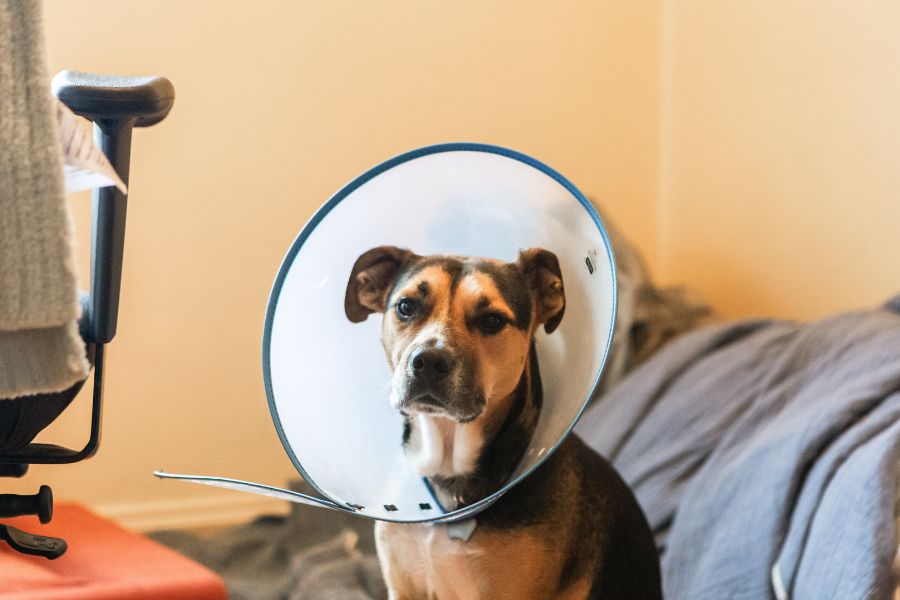
Hearing that your pet needs surgery can feel overwhelming. Whether it’s a routine spay or neuter procedure, dental surgery, or a more advanced operation, it’s normal to have questions. Knowing what happens before, during, and after surgery can help you feel more confident and prepared. This guide explains each step in simple terms, so you know exactly what to expect and how to support your pet through the process.
Why Pets May Need Surgery
Pets may need surgery for many reasons, including:
- Spaying or neutering
- Mass or tumor removal
- Injury repair
- Foreign object removal
- Dental disease treatment
- Orthopedic procedures (like ACL repair)
- Emergency surgery
Some surgeries are planned, while others happen unexpectedly. No matter the reason, preparation and aftercare are key to a smooth recovery.
Before Surgery: How to Prepare Your Pet
Preparation starts days before the procedure. Your veterinarian will guide you through each step.
1. Physical Exam and Pre-Surgical Testing
Before surgery, your pet will receive a full physical exam. Blood work is often recommended to:
- Check organ function
- Detect hidden health issues
- Ensure safe anesthesia
This step is especially important for senior pets or those with underlying conditions.
If you’ve been searching for a reliable veterinary hospital in Superior that offers safe surgical care, it’s important to choose one that performs thorough pre-anesthetic testing.
2. Fasting Instructions
Most pets must stop eating 8–12 hours before surgery. This reduces the risk of vomiting during anesthesia. Water is usually allowed until the morning of surgery, but always follow your vet’s specific instructions.
3. Medication Adjustments
If your pet takes daily medication, ask your veterinarian whether it should be given on surgery day. Some medications may need to be paused.
4. Discussing the Procedure
Before surgery, your veterinary team will explain:
- The type of procedure
- The expected duration
- Possible risks
- Recovery timeline
- Estimated cost
Clear communication helps you feel informed and prepared. Experienced vet team takes time to answer all your questions so you feel comfortable before surgery day.
During Surgery: What Happens Behind the Scenes
Many pet owners worry most about what happens while their pet is under anesthesia. Here’s what typically occurs.
1. Anesthesia and Monitoring
Your pet will receive anesthesia to ensure they are pain-free and unconscious during the procedure.
Modern veterinary anesthesia is very safe when properly monitored. During surgery, the veterinary team carefully tracks:
- Heart rate
- Blood pressure
- Oxygen levels
- Body temperature
- Respiratory rate
A trained technician stays with your pet the entire time. Choosing a hospital that prioritizes monitoring and safety for your pet is essential.
2. The Surgical Procedure
The veterinarian performs the procedure using sterile equipment and techniques to reduce infection risk. The length of surgery depends on the procedure. A routine spay or neuter may take less than an hour, while orthopedic or dental surgeries may take longer.
3. Recovery from Anesthesia
After surgery, your pet is moved to a recovery area where they are closely monitored as they wake up.
It’s normal for pets to:
- Be groggy
- Appear sleepy
- Have mild disorientation
- Experience slight nausea
Most pets go home the same day unless overnight care is needed.
After Surgery: Helping Your Pet Heal
Recovery doesn’t stop when you leave the hospital. Proper at-home care plays a huge role in healing.
1. Managing Pain
Your veterinarian will prescribe pain medication if needed. Never give human medications, as many are toxic to pets.
Signs of pain include:
- Whining
- Restlessness
- Reduced appetite
- Hiding
- Limping
If you notice unusual behavior, contact your veterinarian immediately.
2. Activity Restrictions
Most pets need restricted activity for 10–14 days.
This means:
- No running
- No jumping
- No rough play
- Leash walks only (for dogs)
Too much activity can reopen stitches or delay healing.
3. Incision Care
Check your pet’s incision daily. It should look:
- Clean
- Dry
- Slightly pink
Call your veterinarian if you notice:
- Swelling
- Redness
- Discharge
- Bad odor
- Missing stitches
An e-collar (cone) may be required to prevent licking.
4. Feeding After Surgery
Your pet may have a reduced appetite on the first day. Offer small portions of their regular food unless your veterinarian recommends a special diet. Hydration is important, so ensure fresh water is always available.
Common Types of Pet Surgeries
Understanding the type of surgery can help you know what to expect.
Spay and Neuter
Routine procedures that prevent unwanted litters and reduce certain health risks.
Soft Tissue Surgery
Includes lump removal, wound repair, and internal procedures.
Orthopedic Surgery
Treats bone, ligament, or joint injuries.
Dental Surgery
Advanced cleanings, extractions, and oral disease treatment. Choosing a facility that offers both routine and advanced procedures to help ensure the safety of your pets.
When to Call the Vet After Surgery
While most pets recover smoothly, contact your veterinarian if you notice:
- Persistent vomiting
- Severe swelling
- Bleeding
- Difficulty breathing
- Refusal to eat for more than 24 hours
- Signs of extreme pain
Prompt attention by pet parents prevents any type of unnecessary complications.
How to Reduce Surgical Risks
Although surgery always carries some risk, you can help minimize it by:
- Following fasting instructions
- Completing recommended blood work
- Sharing full medical history
- Following aftercare instructions carefully
- Attending follow-up appointments
Emotional Support for Your Pet
Pets may feel anxious before or after surgery. You can help by:
- Staying calm
- Offering a quiet recovery space
- Providing gentle reassurance
- Keeping other pets separated during healing
Your calm energy helps your pet feel safe.
Moving Forward with Confidence
Surgery is sometimes necessary to improve your pet’s health and quality of life. With proper preparation, skilled veterinary care, and attentive recovery support at home, most pets bounce back quickly after surgery. Knowing what to expect helps reduce stress for both you and your pet. When you work closely with a trusted veterinary team in Superior, WI, you can feel confident every step of the way. If you’ve been searching online for a reliable “veterinary hospital near me” that puts safety and comfort first, our experienced team at Superior Animal Hospital and Boarding Suites in Superior, WI, is here to assist you at any point in time. Book an appointment to discuss surgical options and receive detailed guidance on pre-surgery and post-surgery preparation.
FAQs
1. Is anesthesia safe for my pet?
Ans: Yes, modern veterinary anesthesia is very safe when proper monitoring and pre-surgical testing are performed. Your veterinarian will assess your pet’s health before the procedure.
2. How long will my pet be in pain after surgery?
Ans: Most pets experience mild discomfort for a few days. Pain medication is provided to keep them comfortable. If pain seems severe or prolonged, contact your vet.
3. Can my pet eat normally after surgery?
Ans: You can usually resume normal feeding in small amounts the evening after surgery unless instructed otherwise. Some pets may have a reduced appetite for 24 hours.
4. How long does it take for stitches to heal?
Ans: Most incisions heal within 10–14 days. Follow your veterinarian’s instructions and avoid letting your pet lick or chew the area.
5. What if my pet removes their cone?
Ans: If your pet removes the e-collar, contact your veterinarian for alternatives. Preventing licking is important to avoid infection.
6. When should I schedule a follow-up appointment?
Ans: Follow-up visits are typically scheduled 10–14 days after surgery, depending on the procedure. Your veterinary team will provide exact timing.
Related Articles
Superior