
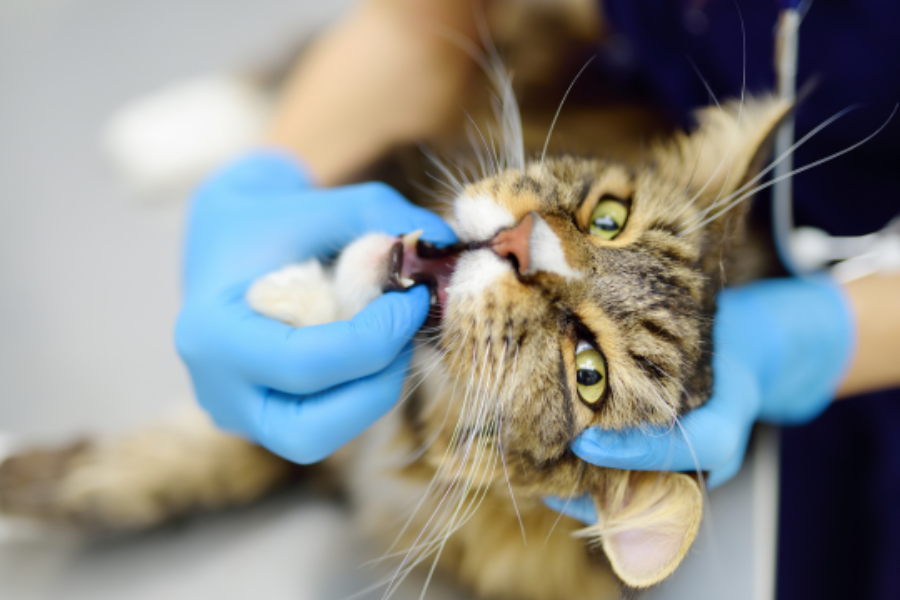
A pet may keep eating, playing, and greeting you as usual even when a tooth is painful. Dogs and cats often hide discomfort, so dental problems can go unnoticed until a veterinarian examines their mouths. A broken tooth, advanced gum disease, or a painful condition affecting the tooth itself may sometimes require removal. Hearing that your pet needs a tooth extraction can feel worrying, especially if you are unsure what the procedure involves or how your companion will manage afterward. At Superior Animal Hospital & Boarding Suites in Superior, WI, understanding your pet’s dental health can help you make informed care decisions. This guide explains why a tooth may need to be removed, what happens during the procedure, and how to support recovery at home.
Why Would a Dog or Cat Need a Tooth Extraction?
A pet may need a tooth extraction when a tooth is badly damaged, infected, loose, or painful and cannot be comfortably preserved. A veterinarian examines the mouth and may recommend dental X-rays to assess the tooth roots and surrounding bone. Removal is not necessary for every dental problem, but it can be the best way to relieve pain and address certain conditions.
Teeth can become unhealthy for several reasons. Plaque, a sticky layer of bacteria, can build up on the teeth and harden into tartar. Over time, this may contribute to gum inflammation and damage to the tissues that hold teeth in place. Injuries can also fracture teeth, exposing sensitive inner tissue and creating a path for infection.
Common reasons for extraction include:
- Advanced periodontal disease: Damage to the gums, ligaments, and bone that support a tooth can make it loose or painful.
- Broken teeth: A fracture may expose the sensitive inner part of the tooth or allow infection to develop.
- Severe tooth decay or infection: A badly affected tooth may not be suitable for repair.
- Feline tooth resorption: In this condition, a cat’s tooth structure gradually breaks down and may become painful.
- Persistent baby teeth: A baby tooth that remains beside the adult tooth may contribute to crowding or other dental problems.
- Certain oral injuries or abnormal teeth: The position or condition of a tooth may cause ongoing discomfort or damage.
The veterinarian considers the tooth’s condition, your pet’s overall health, and the available treatment options before recommending removal. In some cases, a tooth can be treated and preserved. In others, extraction offers a more reliable way to remove the source of pain.
What Signs May Mean Your Pet Has a Painful Tooth?
Pets do not always show obvious signs of dental pain. Some continue eating despite a damaged tooth, while others become reluctant to chew or start avoiding hard food. Cats may be particularly subtle about discomfort, so small changes in behavior can be important.
Watch for these possible warning signs:
- Bad breath that persists or becomes stronger
- Red, swollen, or bleeding gums
- Dropping food while eating
- Chewing on one side of the mouth
- Pawing at the face or rubbing the mouth
- Drooling more than usual
- Blood on toys, food, or bedding
- Refusing dry food or hard treats
- Pulling away when the face or mouth is touched
- Swelling around the cheek or below the eye
- Reduced interest in food or unusual irritability
These signs do not automatically mean a tooth must be removed. They can also occur with gum disease, mouth injuries, oral growths, or other conditions. A veterinary examination is needed to identify the cause.
A sudden inability to eat, significant facial swelling, bleeding that does not stop, or severe pain deserves prompt veterinary attention. Difficulty breathing or swallowing should be treated as urgent.
Do not try to pull out a loose or broken tooth at home. Tooth roots can extend deep into the jaw, and attempting removal can cause pain, bleeding, or damage. Avoid giving human pain relievers because some can be dangerous to dogs and cats.
If you notice a change in how your pet eats, arrange an examination rather than waiting for the problem to become more obvious. Early assessment may give your veterinarian more options for treatment.
What Happens During a Veterinary Tooth Extraction?
A tooth extraction generally involves an oral examination, an appropriate anesthesia plan, removal of the affected tooth, and monitoring during recovery. The exact procedure depends on which tooth is involved and how firmly it is attached to the surrounding tissues. Some teeth are relatively straightforward to remove, while others require more involved dental surgery.
Before the procedure, your veterinarian reviews your pet’s medical history and current health. Depending on your pet’s age, condition, and planned treatment, pre-anesthetic testing may be recommended to help assess the safest approach. Your veterinarian will also explain feeding instructions before the appointment and discuss any medications your pet takes.
During the procedure, the veterinary team may:
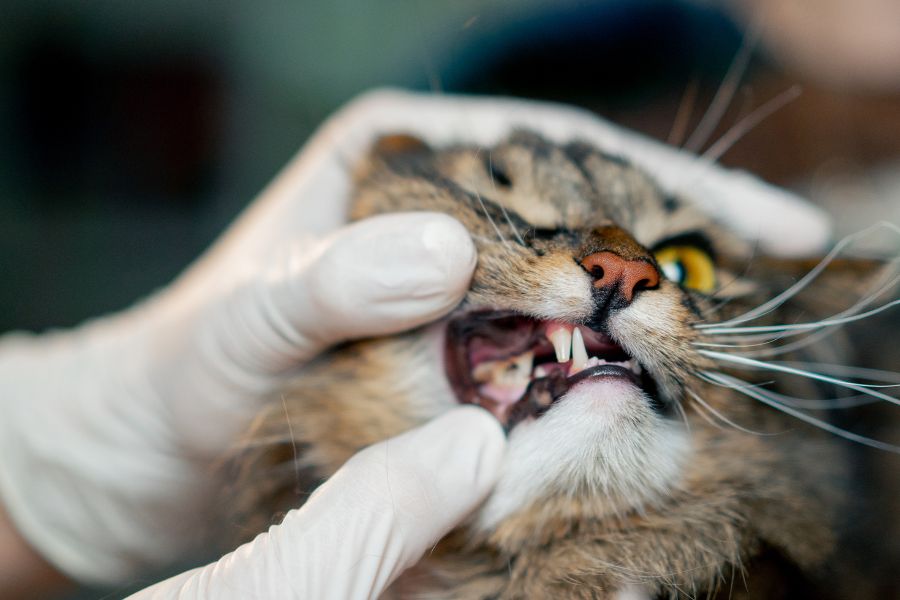
- Examine the mouth: The veterinarian checks the teeth, gums, tongue, and other visible tissues.
- Take dental X-rays: Images can reveal root damage, infection, bone loss, or other problems below the gumline.
- Provide anesthesia and monitoring: General anesthesia allows the veterinarian to work safely and thoroughly while the pet is unconscious. The team monitors vital signs throughout the procedure.
- Remove the affected tooth: Depending on its structure and condition, the tooth may be removed in one piece or divided into sections. The veterinarian takes care to protect nearby tissues.
- Close the area if needed: The extraction site may be closed with stitches, especially when the procedure involves an incision.
- Monitor recovery: The team observes your pet as they wake from anesthesia and checks their comfort before discharge.
Dental X-rays are especially useful because the visible part of a tooth does not show the entire root. A tooth can look relatively normal above the gumline while having significant problems underneath.
Hypothetical case example: A middle-aged dog starts chewing on one side of the mouth and occasionally drops kibble, although the owner notices no change in appetite. During an examination under anesthesia, the veterinarian finds a fractured tooth and uses dental X-rays to assess the root. Because the damage extends into the sensitive inner portion of the tooth, the veterinarian recommends extraction, and the dog is sent home with specific pain-control and feeding instructions.
Your veterinarian in Superior should explain why extraction is being recommended, whether other options are appropriate, and what recovery will involve. Ask questions before the procedure if anything is unclear.
How Long Does It Take a Pet to Recover From a Tooth Extraction?
Many pets begin feeling more comfortable once the painful tooth has been removed, but recovery time varies. The number of teeth removed, the complexity of the procedure, your pet’s general health, and whether infection was present can all affect healing. Your veterinarian will provide instructions based on the procedure performed.
Your pet may be sleepy or less energetic for a short time after anesthesia. Appetite may also be reduced at first, but your pet should gradually return toward their normal routine as they recover. Follow the discharge instructions carefully, including guidance about food, medication, activity, and follow-up visits.
A general recovery guide is shown below. Your veterinarian’s instructions take priority because individual cases differ.
| Recovery stage | What you may notice | What you should do |
|---|---|---|
| First day | Sleepiness or mild changes in appetite after anesthesia | Provide a quiet, comfortable resting area and follow feeding instructions |
| First few days | Gradual return of energy and interest in food | Give prescribed medications as directed and monitor eating |
| Healing period | Gum tissue continues to heal | Follow the recommended diet and avoid hard chew items |
| Follow-up period | The veterinarian checks healing when needed | Attend recommended rechecks and report concerns |
Do not assume that a pet is fully healed simply because they appear comfortable. The mouth may still need time to recover, particularly after multiple extractions or a more involved procedure.
Contact your veterinarian if your pet refuses food beyond the period described in the discharge instructions, seems increasingly painful, develops worsening swelling, has persistent bleeding, or becomes unusually weak. Repeated vomiting or difficulty breathing also requires prompt attention.
What Should You Feed Your Pet After a Tooth Extraction?
Food choice after dental surgery depends on the type of extraction and your veterinarian’s instructions. Soft food is often recommended for a period after the procedure because it requires less chewing and is less likely to disturb the healing area. Some pets may need a modified diet for longer, especially after multiple teeth have been removed.
Your veterinarian may recommend canned food, softened kibble, or another suitable option. If you soften your pet’s usual food, ask whether the texture is appropriate and how long the change should continue.
During recovery:
- Offer the type and amount of food recommended by your veterinarian.
- Provide fresh water unless your discharge instructions say otherwise.
- Avoid bones, hard biscuits, antlers, and tough chew toys until your veterinarian says they are safe.
- Watch your pet while eating to see whether they can manage the food comfortably.
- Keep feeding areas calm so your pet can eat without pressure.
- Do not force food into your pet’s mouth if they are reluctant or seem painful.
A pet may need a little encouragement to resume eating, but persistent refusal should not be ignored. Pain, nausea, swelling, or another complication may interfere with eating. Contact the clinic if your pet is not following the expected recovery pattern.
If your pet has had several teeth removed, ask whether the long-term diet needs to change. Many pets can continue eating comfortably after appropriate healing, even when they have fewer teeth. The best food depends on your pet’s needs and any other health concerns.
How Can You Care for Your Pet’s Mouth After Surgery?
Good aftercare helps protect the extraction site and allows your pet to heal. The most important steps are to follow medication instructions, keep your pet comfortable, and avoid disturbing the surgical area.
Give prescribed medication exactly as directed. Do not stop a medication early, change the dose, or give extra doses without speaking with your veterinarian. Never substitute human pain relievers for a pet’s prescribed treatment.
Your aftercare routine may include:
- Rest and supervision: Keep your pet in a quiet area while they recover from anesthesia.
- Medication as directed: Follow the prescribed schedule and ask the clinic if you are unsure about a dose.
- Appropriate food: Feed the recommended texture and avoid hard items until cleared.
- Daily observation: Look for changes in appetite, behavior, swelling, bleeding, or drooling.
- Oral care guidance: Ask when brushing or other dental care can safely resume. Do not brush directly over a healing extraction site unless your veterinarian instructs you to.
- Follow-up care: Attend any recommended recheck so the veterinarian can assess healing.
Some mild changes can occur after surgery, but symptoms should generally improve rather than worsen. Persistent bleeding, increasing facial swelling, severe discomfort, an unpleasant discharge, or refusal to eat should prompt a call to your veterinarian.
Do not poke the extraction site to see whether it is healing. The area may be sensitive, and unnecessary handling can cause discomfort. If you notice a stitch, do not pull or cut it. Ask the clinic what to do.
Once the mouth has healed, your veterinarian can recommend a long-term dental care routine. This may include tooth brushing with pet-safe products, suitable dental diets or chews, and regular oral examinations. The best plan depends on your pet’s teeth, temperament, and overall health.
Can a Pet Eat Normally After Having a Tooth Removed?
Many dogs and cats can eat comfortably after recovering from a tooth extraction. Pets often adapt well because they use their tongues, gums, and remaining teeth to manage food. However, how quickly they return to normal eating depends on the procedure, the number of teeth removed, and their overall health.
A single extraction may require a shorter period of dietary adjustment than several surgical extractions. Your veterinarian will explain when your pet can return to their usual food and whether any long-term changes are recommended.
If your pet has lost several teeth, you may need to choose food that is easy to manage. Some pets do well with their regular food softened with water, while others prefer a suitable canned diet. Do not assume that every pet without many teeth must eat only wet food. Ask your veterinarian to help you find an option that provides proper nutrition and is comfortable for your pet.
Watch how your pet eats after the recommended recovery period. Contact your veterinarian if food repeatedly falls from the mouth, chewing seems painful, your pet loses weight, or appetite remains low. These changes can indicate ongoing discomfort or another oral health issue.
To help prevent future problems, establish a routine for dental examinations and home care. Brushing your pet’s teeth with an appropriate pet toothpaste can help control plaque when your pet tolerates it. Dental treats or products should be chosen based on veterinary advice, since not every product is suitable for every animal.
Conclusion
A tooth extraction may sound intimidating, but it can be an important way to relieve dental pain and treat a tooth that cannot be comfortably preserved. A careful examination, dental X-rays when appropriate, anesthesia monitoring, and clear aftercare instructions help guide the process. Once home, follow your veterinarian’s feeding and medication directions, watch for changes in appetite or swelling, and contact the clinic if recovery does not progress as expected. Regular dental checks and a manageable home care routine can also help you catch future problems earlier. If you have noticed bad breath, chewing changes, or signs of mouth pain, contact Superior Animal Hospital & Boarding Suites in Superior, WI to discuss your pet’s dental health and the next steps.
FAQs
Q1: Is a tooth extraction painful for dogs and cats?
A: The procedure is performed under general anesthesia, so your pet is unconscious during the extraction. Veterinary pain management is used to support comfort during recovery. Follow the medication instructions provided and contact your veterinarian if your pet appears increasingly painful.
Q2: How do I know if my pet needs a tooth removed?
A: Signs may include bad breath, bleeding gums, a broken tooth, drooling, dropping food, or changes in chewing. These symptoms do not always mean extraction is needed, so a veterinary oral examination is important. Dental X-rays may help the veterinarian assess the roots and surrounding bone.
Q3: Can my pet eat after a tooth extraction?
A: Many pets can eat after they have recovered enough from anesthesia, but the timing and food texture depend on the procedure. Your veterinarian may recommend soft food for a period and explain when normal food can resume. Contact the clinic if your pet refuses food longer than expected.
Q4: How much does a pet tooth extraction cost, and how long does it take?
A: Cost and procedure time vary based on the tooth’s location, the complexity of removal, dental X-rays, anesthesia, monitoring, and any additional treatment needed. The veterinary clinic can provide an estimate after assessing your pet and discussing the recommended plan. Ask what the estimate includes so you understand the expected services.
Q5: When should I call Superior Animal Hospital & Boarding Suites after my pet’s extraction?
A: Contact the clinic if your pet has worsening swelling, persistent bleeding, increasing pain, unusual discharge, or appetite changes that last longer than expected. Seek prompt veterinary care for severe weakness, repeated vomiting, or other serious symptoms. Follow the discharge instructions for the specific signs and time frames that require a call.



Superior