
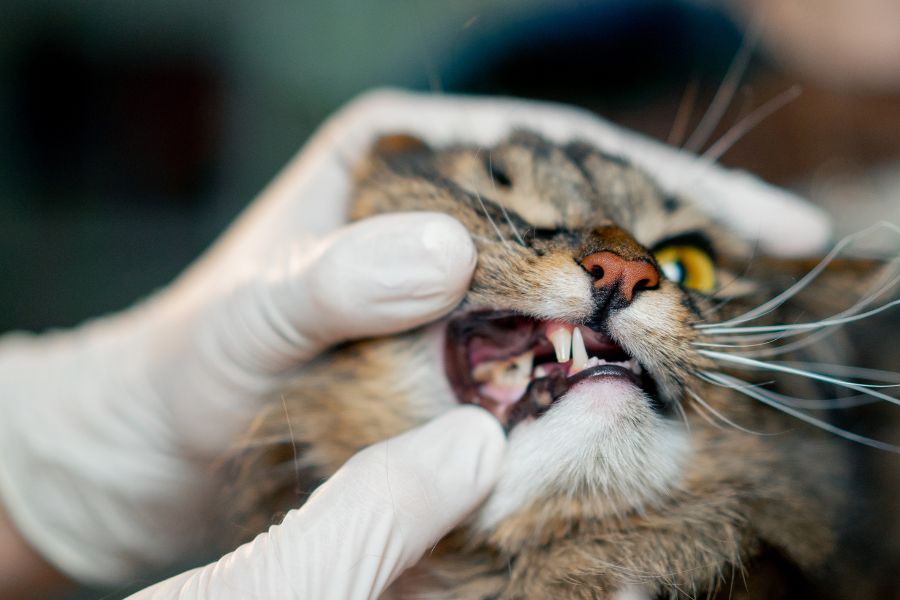
Dental problems in pets are more common than many owners realize. In fact, most dogs and cats show signs of dental disease by the age of three. Ignoring early symptoms can lead to pain, infection, tooth loss, and even health issues affecting the heart or kidneys. Knowing the warning signs can help you act before the condition becomes serious. In this guide, we’ll cover 7 signs your pet may have a dental problem, what causes dental disease in pets, and when it’s time to schedule a veterinary visit. Whether you have a playful puppy, a senior cat, or an aging dog, understanding these symptoms can help protect your pet’s overall health and comfort.
Why Pet Dental Health Matters?
Dental disease is more than bad breath. Plaque and tartar buildup can lead to gum inflammation, painful infections, and damaged teeth. Over time, bacteria from the mouth may spread through the bloodstream and affect major organs.
Common pet dental problems include:
- Periodontal disease
- Gingivitis
- Broken teeth
- Tooth root infections
- Oral tumors
- Abscesses
Early treatment is often simpler, less expensive, and less stressful for your pet.
1. Persistent Bad Breath
One of the first signs your pet may have a dental problem is chronic bad breath. While pet breath is not always minty fresh, a strong foul odor is usually not normal.
Bad breath may indicate:
- Plaque and tartar buildup
- Gum infection
- Tooth decay
- Bacteria in the mouth
If your dog or cat’s breath suddenly becomes much worse, it’s a good idea to schedule a dental evaluation.
2. Difficulty Eating or Chewing
Pets with oral pain often change the way they eat. Some pets continue eating despite severe discomfort, while others may avoid food completely.
Watch for behaviors such as:
- Dropping food while chewing
- Eating only on one side of the mouth
- Refusing dry food
- Taking longer to finish meals
- Crying while chewing
These symptoms can point to painful teeth, inflamed gums, or oral infections.
3. Red, Swollen, or Bleeding Gums
Healthy gums should appear pink and firm. Redness, swelling, or bleeding are early warning signs of gum disease.
Gingivitis develops when plaque irritates the gum tissue. Without treatment, it can progress into periodontal disease, which damages the tissues supporting the teeth.
Signs to look for include:
- Bleeding during chewing
- Puffy gums
- Dark red gum lines
- Sensitivity around the mouth
Routine dental cleanings and home care can often slow or prevent progression.
4. Excessive Drooling
Some pets naturally drool more than others, but sudden or excessive drooling can indicate dental discomfort.
You may also notice:
- Thick saliva
- Blood-tinged drool
- Wet fur around the mouth
- Pawing at the face
Excessive drooling can be linked to oral pain, infected teeth, mouth injuries, or even objects stuck between the teeth.
5. Loose, Broken, or Missing Teeth
Loose or damaged teeth are a major sign your pet may have a dental problem. Broken teeth expose sensitive nerves and can become infected quickly.
Common causes include:
- Advanced periodontal disease
- Chewing hard objects
- Trauma or injury
- Age-related dental wear
Cats and dogs rarely show obvious pain, even with serious dental damage. A veterinary dental exam is important if you notice any missing or loose teeth.
6. Pawing at the Mouth or Face
Pets experiencing oral pain often try to relieve discomfort by pawing at their mouth or rubbing their face against furniture or the floor.
This behavior may be accompanied by:
- Whining
- Irritability
- Head shaking
- Avoiding touch near the mouth
Because pets cannot explain their pain, subtle behavioral changes are often important clues.
7. Visible Tartar Buildup or Discolored Teeth
Yellow or brown buildup along the gumline is a strong indicator of plaque and tartar accumulation.
Over time, tartar hardens and creates an environment where bacteria thrive. This can lead to:
- Gum disease
- Tooth loss
- Painful infections
- Bone damage around teeth
Professional dental cleanings remove tartar below the gumline where brushing cannot reach.
What Causes Dental Disease in Pets?
Several factors can increase the risk of dental problems in dogs and cats.
Common Causes Include:
- Poor dental hygiene
- Lack of professional cleanings
- Soft diets
- Genetics
- Age
- Chewing inappropriate objects
Small-breed dogs are especially prone to dental disease because their teeth are often crowded together.
How to Help Prevent Dental Problems?
Preventive dental care can greatly reduce your pet’s risk of serious oral disease.
Helpful Dental Care Tips:
- Brush your pet’s teeth regularly using pet-safe toothpaste.
- Schedule routine veterinary dental exams.
- Use dental chews approved by veterinarians.
- Feed dental-supportive diets if recommended.
- Watch for early signs of oral discomfort.
Even a few minutes of home dental care each week can make a major difference over time.
When Should You Visit the Vet?
You should schedule a veterinary visit if your pet shows any signs of dental disease, especially:
- Bleeding gums
- Difficulty eating
- Broken teeth
- Persistent bad breath
- Facial swelling
- Sudden behavioral changes
Dental issues rarely improve on their own. Early treatment helps prevent pain and more serious health complications.
Conclusion
Recognizing the early signs your pet may have a dental problem can help protect their health, comfort, and quality of life. Symptoms like bad breath, swollen gums, excessive drooling, and difficulty chewing should never be ignored. Routine dental care and regular veterinary exams are key to preventing long-term complications. If your pet is showing signs of dental discomfort, contact a veterinarian near you at Superior Animal Hospital and Boarding Suites in Superior to schedule a professional dental evaluation and help keep your pet healthy and pain-free.
FAQs
Q1: How common is dental disease in pets?
Ans: Dental disease is extremely common. Most dogs and cats develop some form of periodontal disease by age three if they do not receive regular dental care.
Q2: Is bad breath always a sign of dental disease in pets?
Ans: Persistent foul-smelling breath is often one of the earliest signs of dental disease, gum infection, or tooth decay in pets.
Q3: How often should pets have professional dental cleanings?
Ans: Most pets benefit from yearly dental exams and cleanings, although some may need more frequent care depending on breed, age, and dental health.
Q4: Can dental disease affect my pet’s overall health?
Ans: Yes, untreated dental disease can allow bacteria to spread through the bloodstream and potentially affect the heart, liver, and kidneys.
Q5: What is the best way to clean my pet’s teeth at home?
Ans: Regular brushing with pet-safe toothpaste is one of the most effective ways to reduce plaque buildup and maintain healthy teeth and gums.




Superior