

Many pet owners are surprised to learn that dental health plays a major role in their pet’s overall well-being. While brushing at home is important, a professional pet teeth cleaning is often necessary to remove plaque and tartar that cannot be addressed with home care alone. Understanding what happens during a professional pet teeth cleaning can help ease concerns and prepare you for the process. This guide explains each step, why it matters, and how professional dental care helps keep your pet healthy and comfortable.
Why Is Professional Pet Teeth Cleaning Important
Dental disease is one of the most common health issues seen in dogs and cats. Without proper treatment, bacteria and inflammation in the mouth can lead to pain, tooth loss, difficulty eating, and other health complications.
A professional pet teeth cleaning helps:
- Remove plaque and tartar buildup
- Reduce bad breath
- Identify dental problems early
- Protect teeth and gums
- Improve overall comfort and quality of life
Routine dental care is one of the best ways to support your pet’s long-term health.
Signs Your Pet May Need a Dental Cleaning
Many pets show subtle signs of dental problems that owners may overlook.
Common signs include:
- Persistent bad breath
- Yellow or brown buildup on teeth
- Red or swollen gums
- Difficulty chewing food
- Dropping food while eating
- Excessive drooling
- Pawing at the mouth
- Decreased interest in toys or treats
Even if your pet appears healthy, regular dental examinations can help detect issues before they become serious.
Step 1: Comprehensive Physical Examination
Before a professional pet teeth cleaning begins, your veterinarian performs a thorough physical examination.
This evaluation helps determine:
- Your pet’s overall health status
- Whether dental cleaning is appropriate at this time
- Potential concerns that may require additional attention
- The safest treatment plan
The exam allows your veterinary team to tailor care to your pet’s specific needs.
Step 2: Pre-Anesthetic Evaluation
Safety is always a top priority during a professional pet teeth cleaning.
Before the procedure, your veterinarian may recommend diagnostic testing to assess your pet’s health and ensure they are a good candidate for anesthesia.
These evaluations help identify underlying conditions that could affect treatment and allow the veterinary team to make informed decisions regarding care.
Step 3: Anesthesia and Monitoring
Professional pet teeth cleanings are performed under anesthesia.
This is important because it allows the veterinary team to:
- Clean every surface of the teeth
- Examine the mouth thoroughly
- Minimize stress and discomfort
- Reduce the risk of injury during the procedure
Throughout the cleaning, trained professionals closely monitor your pet’s vital signs, including heart rate, breathing, oxygen levels, and blood pressure.
Careful monitoring helps maintain a safe and controlled environment during the procedure.
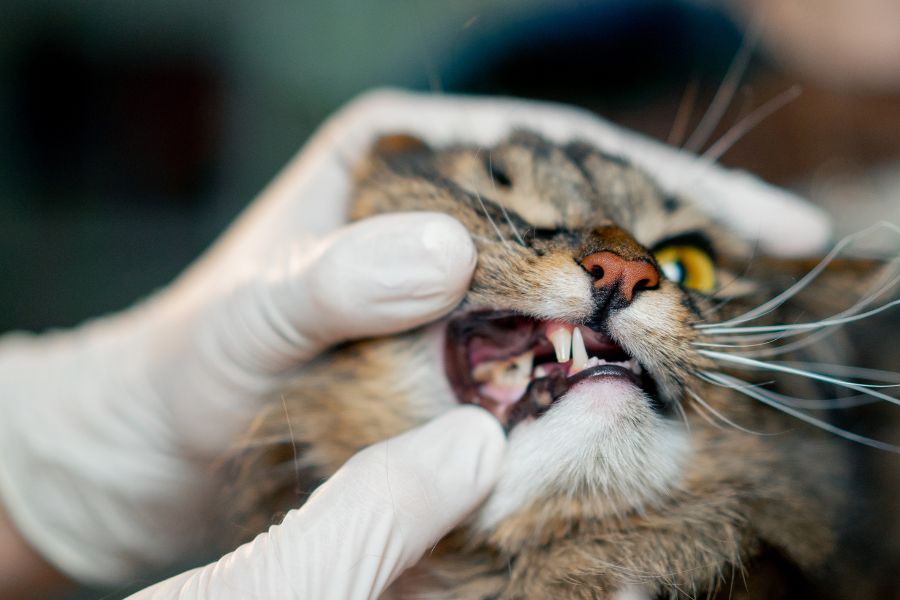
Step 4: Full Oral Examination
Once your pet is safely under anesthesia, a detailed oral examination is performed.
The veterinarian carefully evaluates:
- Teeth
- Gums
- Tongue
- Soft tissues of the mouth
- Areas below the gumline
Many dental problems develop beneath the gumline where they cannot be seen during a routine visual examination.
A comprehensive oral assessment allows hidden issues to be identified and addressed.
Step 5: Dental X-Rays
Dental radiographs are often an important part of a professional pet teeth cleaning.
These images help reveal:
- Bone loss around teeth
- Root abnormalities
- Hidden infections
- Fractured teeth
- Other conditions not visible during an external examination
Dental X-rays provide valuable information that helps guide treatment decisions and ensure the best possible care.
Step 6: Scaling and Tartar Removal
The cleaning process begins with removing plaque and tartar from the teeth.
Using specialized dental instruments, veterinary professionals clean:
- The visible tooth surfaces
- Areas around the gumline
- Spaces between teeth
- Areas beneath the gums
Cleaning below the gumline is particularly important because this is where dental disease often begins.
This step removes harmful buildup and helps restore oral health.
Step 7: Tooth Polishing
After scaling, the teeth are polished using professional equipment.
Polishing helps:
- Smooth the tooth surface
- Remove microscopic scratches
- Reduce future plaque accumulation
- Improve overall dental cleanliness
This step leaves the teeth cleaner and helps maintain results longer.
Step 8: Additional Dental Treatments if Needed
During the cleaning, your veterinarian may discover issues that require additional treatment.
Examples may include:
- Damaged teeth
- Advanced periodontal disease
- Oral growths
- Areas of infection
Your veterinary team will discuss any findings and recommend the most appropriate treatment options based on your pet’s individual needs.
Step 9: Recovery and Monitoring
Once the cleaning is complete, your pet is carefully monitored during recovery.
Veterinary staff observe:
- Breathing
- Heart rate
- Comfort level
- Alertness
Most pets recover smoothly and are ready to return home the same day.
Recovery instructions are provided to help ensure a safe and comfortable transition back home.
What to Expect After a Professional Pet Teeth Cleaning
Many pet owners notice positive changes after treatment.
Common improvements include:
- Fresher breath
- Improved appetite
- Increased comfort while eating
- Better energy levels
- Reduced oral discomfort
Some pets appear more active and engaged once chronic dental pain has been addressed.
How to Maintain Your Pet’s Dental Health at Home
A professional pet teeth cleaning is an important part of dental care, but ongoing maintenance is equally valuable.
Helpful home care habits include:
- Regular tooth brushing
- Dental chews approved by your veterinarian
- Dental diets when recommended
- Routine oral examinations
- Scheduled veterinary dental evaluations
Consistency helps reduce plaque buildup and supports long-term oral health.
How Often Does a Pet Need Professional Teeth Cleaning
The ideal frequency varies based on several factors, including:
- Age
- Breed
- Genetics
- Diet
- Overall oral health
Some pets may benefit from annual cleanings, while others may require more frequent dental care.
Your veterinarian can recommend a schedule based on your pet’s specific needs and risk factors.
Conclusion
A professional pet teeth cleaning involves much more than simply removing tartar. From a comprehensive examination and dental X-rays to scaling, polishing, and recovery monitoring, every step is designed to protect your pet’s oral and overall health. Regular dental care can help prevent discomfort, detect problems early, and improve your pet’s quality of life. If you’re concerned about your pet’s dental health, contact Superior Animal Hospital and Boarding Suites in Superior, WI to schedule a dental evaluation and learn more about professional cleaning options.
FAQs
Q1: What happens during a professional pet teeth cleaning?
A professional pet teeth cleaning includes a physical examination, anesthesia, oral evaluation, dental X-rays, scaling, polishing, and post-procedure monitoring to ensure complete dental care.
Q2: Is anesthesia necessary for professional pet teeth cleaning?
Yes. Anesthesia allows veterinarians to safely and thoroughly clean above and below the gumline while minimizing stress and discomfort for your pet.
Q3: How long does a professional pet teeth cleaning take?
The length of the procedure varies depending on your pet’s dental health, but most cleanings are completed within a few hours, including recovery time.
Q4: How can I tell if my pet needs a dental cleaning?
Signs may include bad breath, tartar buildup, red gums, drooling, difficulty eating, or changes in chewing habits. A veterinary examination can determine whether cleaning is needed.
Q5: How can I maintain my pet’s oral health between cleanings?
Regular brushing, veterinarian-approved dental products, routine examinations, and professional dental evaluations can help maintain healthy teeth and gums between cleanings.


Superior