
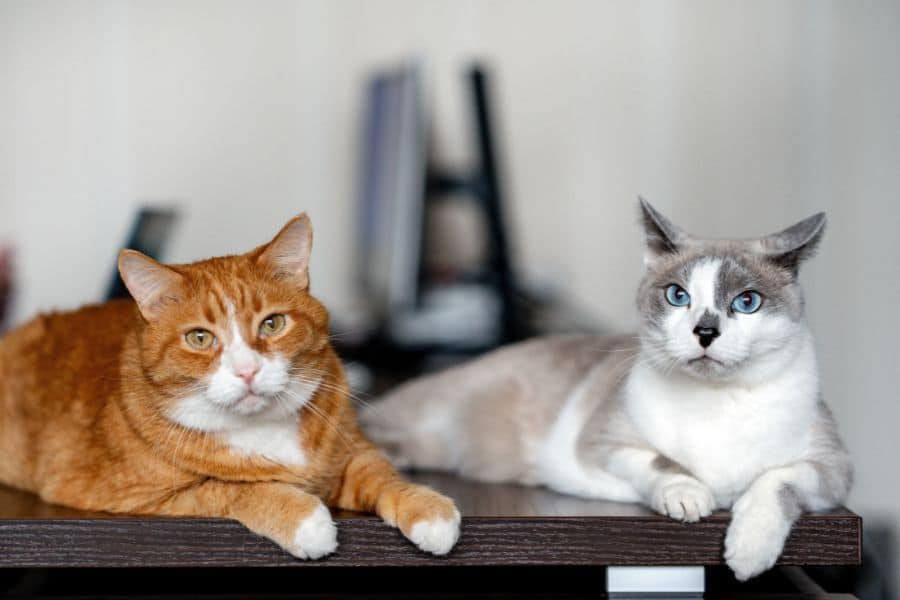
Bringing a cat into a home with children can create years of companionship, laughter, and memorable moments. But choosing the right cat involves more than picking the breed with the cutest face. If you’re searching for the best cat breeds for families, consider temperament, activity level, adaptability, and how comfortable the cat is with handling. Every cat has its own personality, so breed can offer helpful clues but cannot guarantee behavior. This guide explores several family-friendly breeds, explains how temperament develops, and shares practical tips for helping children and cats build a safe, trusting relationship.
What Makes a Cat a Good Choice for Families With Children
The best family cats tend to be social, adaptable, patient, and comfortable with gentle handling. However, individual personality matters just as much as breed. A calm adult cat with an unknown breed background may be a better fit for your family than a purebred cat with a more demanding temperament.
Cats communicate through body language, vocalizations, and behavior. A cat that feels safe around children is more likely to interact calmly instead of hiding, scratching, or becoming defensive.
Think of a cat’s comfort level like a personal space bubble. When children respect that bubble, the cat is more likely to feel secure.
| Quality | Why It Matters |
| Gentle temperament | Helps the cat handle normal household activity |
| Sociability | Encourages positive interaction with family members |
| Adaptability | Helps the cat adjust to changes in the home |
| Patience | Useful when children are learning how to interact with pets |
| Playfulness | Creates opportunities for safe family interaction |
A cat’s personality should always be considered alongside breed characteristics.
Best Cat Breeds for Families With Children
Several cat breeds are often recognized for friendly and adaptable personalities. However, individual cats can behave differently, even within the same breed.
Ragdoll
Ragdolls are known for their relaxed, affectionate personalities. Many enjoy spending time with their people and can adapt well to family environments.
Their calm nature may make them appealing to households with older children who understand how to handle cats gently.
Maine Coon
Maine Coons are large, social cats that are often described as friendly and playful. Their interactive personalities can make them engaging companions for families.
Because of their size, children should still learn to handle them carefully.
American Shorthair
American Shorthairs are generally adaptable and easygoing. They often enjoy playtime while also being comfortable relaxing independently.
That balance can work well for families with changing schedules.
Birman
Birmans are often affectionate and people-oriented. Many enjoy being involved in household activities without constantly demanding attention.
British Shorthair
British Shorthairs are typically calm and independent. They may suit families looking for a cat that enjoys companionship but also appreciates quiet time.
| Breed | Typical Temperament | Activity Level | Family Fit |
| Ragdoll | Affectionate, relaxed | Moderate | Excellent |
| Maine Coon | Social, playful | Moderate to High | Excellent |
| American Shorthair | Adaptable, friendly | Moderate | Excellent |
| Birman | Affectionate, social | Moderate | Very Good |
| British Shorthair | Calm, independent | Low to Moderate | Very Good |
These are general breed tendencies, not guarantees of individual behavior.
How Does a Cat’s Personality Affect Family Life
Breed is only one piece of the puzzle. Genetics, early experiences, socialization, environment, and individual temperament all influence how a cat behaves.
Easy Scientific Explanation
A kitten’s brain is constantly learning from its surroundings. Positive experiences with people, sounds, handling, and different environments can help shape how confidently a cat responds to new situations. Think of socialization like building a library of experiences. The more positive experiences a young cat has, the more familiar different situations can become.
| Experience | Potential Benefit |
| Gentle handling | Builds comfort with human touch |
| Positive interaction | Builds trust |
| Exposure to household sounds | Reduces fear of normal activity |
| Interactive play | Supports confidence and mental stimulation |
| Quiet resting spaces | Provides a safe retreat |
Socialization should always happen at a pace the cat can handle.
How Can Children Safely Interact With Cats
Even the most patient cat needs boundaries. Children should learn that cats are living animals, not toys.
Teach children to:
- Approach cats calmly.
- Let the cat come to them.
- Avoid pulling tails or ears.
- Never chase a hiding cat.
- Avoid disturbing cats while eating or sleeping.
- Use toys instead of hands during active play.
- Respect signs that the cat wants space.
Easy Scientific Explanation
When a cat feels threatened, its nervous system activates a protective response. The cat may freeze, flee, hiss, swat, or scratch.
These behaviors are usually communication signals, not signs that the cat is “bad.”
| Cat Behavior | What It May Mean |
| Tail tucked close | Fear or discomfort |
| Ears flattened | Stress or defensive behavior |
| Hiding | Wants distance |
| Hissing | Warning to back away |
| Relaxed body | Comfortable and calm |
Learning these signals helps children recognize when interaction should stop.
Hypothetical Example
Imagine a family with two young children adopting a gentle Ragdoll named Milo. During his first week, Milo hid whenever the children became excited or noisy. Instead of pulling him from hiding, the parents created a quiet room where he could retreat and taught the children to wait for Milo to approach them. Over several weeks, Milo became more confident and began joining the family during quiet play sessions. The family’s patience helped Milo associate the children with safe and positive experiences. This kind of gradual adjustment can help create a stronger bond between children and cats.
What Should Families Consider Before Choosing a Cat
The best cat for your household depends on your family’s lifestyle.
Consider:
- Your children’s ages
- Household activity level
- Available space
- Time for daily interaction
- Grooming requirements
- The cat’s energy level
- Whether other pets live in the home
- How much independence do you want the cat to have
| Family Situation | What to Consider |
| Young children | Choose a calm, confident individual cat |
| Older children | A playful, interactive cat may be a good fit |
| Busy household | Look for an adaptable temperament |
| Quiet home | Consider a relaxed, lower-energy cat |
| Multiple pets | Evaluate compatibility carefully |
| Limited grooming time | Consider a shorter-haired breed |
A shelter or rescue organization can also help match families with cats based on observed personality.
How Veterinary Care Supports a Healthy Family Cat
A cat’s behavior can change when the cat is experiencing pain, illness, or stress. Regular veterinary examinations can help identify health problems that might otherwise affect appetite, activity, or behavior.
Veterinary care can support:
- Healthy growth
- Weight management
- Dental health
- Nutrition
- Behavioral concerns
- Senior cat health
A healthy cat is better positioned to enjoy positive interactions with the whole family.
Conclusion
The best cat breeds for families with children tend to share traits such as friendliness, adaptability, and a comfortable response to human interaction. Ragdolls, Maine Coons, American Shorthairs, Birmans, and British Shorthairs can all be worth considering, but individual temperament matters just as much as breed. Teaching children to respect feline body language and providing cats with safe spaces can make the relationship even stronger. If your family is welcoming a new cat and wants veterinary guidance, then Superior Animal Hospital and Boarding Suites in Superior can help support your companion’s health and well-being from kittenhood through adulthood. Schedule an appointment to get the necessary guidance while choosing the perfect cat for your family.
FAQs
Q1: What is the best cat breed for families with young children?
A: Ragdolls, Maine Coons, and American Shorthairs are often considered family-friendly choices because of their generally social and adaptable personalities. Individual temperament should always be considered before adoption.
Q2: Are Maine Coon cats good with children?
A: Maine Coons are often social, playful, and people-oriented, which can make them good family companions. Children should still learn to handle them gently because of the breed’s large size.
Q3: Are Ragdoll cats good family pets?
A: Ragdolls are often affectionate and relaxed, making them popular with families. They still need respectful handling and a quiet place to retreat when they want space.
Q4: Should I choose a kitten or an adult cat for my children?
A: An adult cat may be easier to match with a family because its personality is already more established. Kittens can also become wonderful family pets but require more supervision, training, and patience.
Q5: How can I help my child bond safely with a new cat?
A: Teach your child to approach calmly, avoid chasing or grabbing the cat, and allow the cat to initiate interaction. Supervised play with appropriate toys can help build trust while keeping both child and cat safe.

Superior