
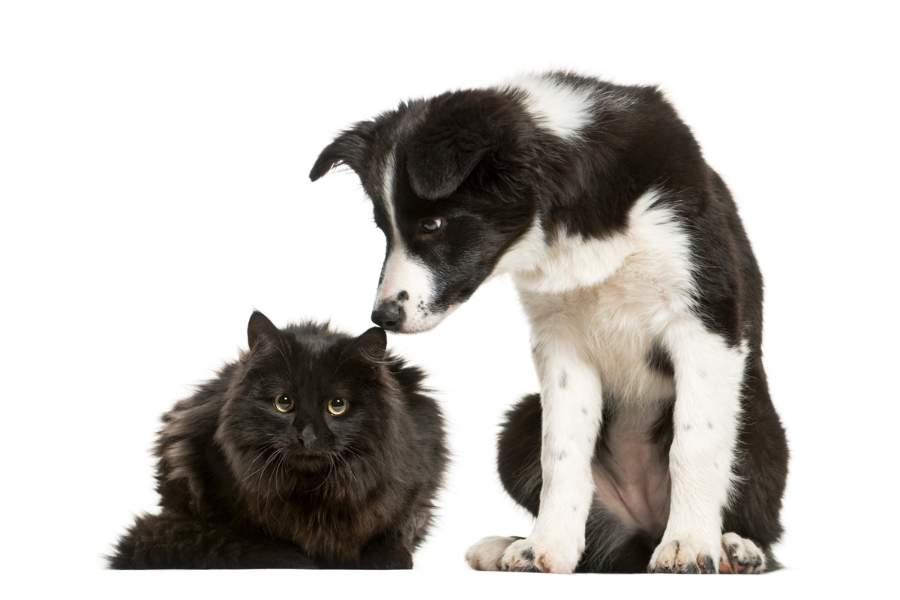
Few things make a pet owner panic faster than finding a missing sock and realizing the dog or cat may have swallowed it. Pets often chew on clothing because it smells familiar, feels interesting, or simply happens to be within reach. The problem is that fabric does not always pass safely through the digestive tract. If your pet ate a sock, the biggest concern is a possible intestinal blockage. At Superior Animal Hospital & Boarding Suites, Superior, WI, veterinarians evaluate situations like this based on what was swallowed, when it happened, your pet’s size, and the symptoms that develop. This guide explains what to do next, which warning signs matter, and why prompt veterinary advice can be important.
What Should You Do If Your Pet Ate a Sock?
If your pet swallowed a sock, contact your veterinarian for guidance rather than waiting for symptoms to appear. A sock may pass in some situations, but it can also become lodged in the stomach or intestines and cause a potentially serious obstruction.
Start by figuring out what happened. If possible, identify the type and approximate size of the sock and determine whether your pet swallowed the entire item or only part of it.
Do not try to make your pet vomit unless a veterinarian specifically instructs you to do so. Attempting to induce vomiting at home can create additional risks and may not be appropriate depending on the object and your pet’s condition.
If your pet is currently acting normal, that does not guarantee the sock will pass without a problem. Some foreign objects cause symptoms only after they move farther into the digestive tract.
Why Can a Swallowed Sock Be Dangerous?
A sock can become trapped in the stomach or intestines. When an object blocks the normal movement of food and fluids, the digestive tract can become painful and swollen.
Some foreign objects pass naturally, but others do not. The risk can depend on your pet’s size, the size and material of the sock, and where the object becomes lodged.
A blockage may cause:
- Vomiting
- Loss of appetite
- Abdominal pain
- Lethargy
- Drooling or nausea
- Changes in bowel movements
- Straining to pass stool
- A swollen or uncomfortable abdomen
A particularly concerning sign is repeated vomiting combined with poor appetite or weakness. These symptoms can indicate that your pet is not moving food normally through the digestive tract.
Do not assume that a bowel movement proves the sock has passed. Material may move around a partial blockage, while the swallowed object remains inside.
What Signs Should You Watch for After a Pet Swallows a Sock?
Symptoms can vary depending on where the sock is located and whether it is causing a complete or partial obstruction. Some pets develop signs quickly, while others may appear normal at first.
Monitor your pet closely for:
- Repeated vomiting
- Refusal to eat
- Unusual tiredness
- Abdominal tenderness
- Restlessness or inability to get comfortable
- Changes in stool
- Straining to defecate
- Excessive drooling
- A swollen abdomen
- Weakness or collapse
Behavior changes matter, too. A normally playful dog that suddenly hides, stops interacting, or repeatedly changes position may be experiencing discomfort.
Cats can be especially subtle when they feel unwell. A cat may withdraw, sleep more than usual, or stop eating instead of crying out or showing obvious pain.
If symptoms are developing, contact a veterinarian promptly. Waiting to see whether your pet becomes seriously ill can allow an obstruction to become more difficult to manage.
How Do Vets Diagnose a Swallowed Sock?
A veterinarian will usually begin with a physical examination and a detailed history. Knowing approximately when the sock was swallowed, how large it was, and whether your pet has developed symptoms can help guide the evaluation.
Depending on the situation, diagnostic imaging may be recommended. X-rays and other imaging methods can help veterinarians assess the digestive tract and look for evidence of an obstruction or abnormal intestinal movement.
A veterinarian may also assess:
- Hydration status
- Abdominal pain
- Heart rate and overall condition
- Appetite and recent bowel movements
- Vomiting history
- Evidence of another swallowed object
Imagine a young dog that steals a small ankle sock from a laundry basket. The owner notices the dog swallow it but sees no immediate symptoms. The veterinarian examines the dog and discusses whether monitoring or diagnostic testing is appropriate based on the dog’s size, the sock, and timing. If the dog later develops vomiting and abdominal discomfort, additional evaluation becomes much more important because those signs can point toward an obstruction.
How Is a Sock Removed From a Pet?
Treatment depends on where the sock is located and how your pet is doing. In some cases, a veterinarian may recommend careful monitoring. In other cases, the object needs to be removed.
Possible approaches can include:
- Monitoring with veterinary guidance
- Diagnostic imaging
- Endoscopic removal in appropriate cases
- Surgical removal when an obstruction cannot be safely removed another way
- Fluids and supportive care when your pet is dehydrated or ill
The goal is to remove the obstruction safely and protect the digestive tract. If the intestines have been damaged, treatment may be more involved.
Because every swallowed-object case is different, there is no reliable home method that guarantees a sock will pass safely.
What Can You Do to Prevent Your Pet From Eating Socks?
Once a pet develops a habit of chewing clothing, prevention becomes especially important. Dogs and cats can quickly turn a forgotten sock into a swallowed object.
Use simple household habits such as:
- Keep laundry inside a closed hamper
- Keep socks off floors and furniture
- Use closed storage for clothing
- Supervise pets that chew fabric
- Offer safe alternatives for appropriate chewing
- Keep trash cans securely closed
- Teach dogs to leave clothing alone
- Address repeated chewing with your veterinarian
If your pet repeatedly eats non-food objects, mention this behavior during a veterinary visit. Repeated ingestion can create ongoing risks and may deserve a broader discussion about behavior and management.
When Should You Call a Vet After Your Pet Ate a Sock?
Call your Superior vet as soon as you know your pet swallowed a sock, especially if the entire item is missing and you are certain it was swallowed. Prompt advice can help determine whether your pet should be examined immediately or monitored under veterinary direction.
Seek prompt veterinary care if your pet develops:
- Repeated vomiting
- Severe or worsening abdominal pain
- A swollen abdomen
- Refusal to eat
- Significant lethargy
- Trouble passing stool
- Repeated straining
- Weakness or collapse
The sooner an obstruction is identified, the more options a veterinarian may have for managing it. A pet that looks fine right after swallowing a sock may still need professional guidance.
Conclusion
A swallowed sock is more than a messy household problem. Fabric can become trapped in the stomach or intestines and lead to a partial or complete blockage. If your pet ate a sock, do not induce vomiting unless a veterinarian specifically tells you to do so, and watch closely for vomiting, appetite loss, abdominal pain, lethargy, or changes in bowel movements.
Superior Animal Hospital & Boarding Suites in Superior, WI can help you decide what steps make sense after a possible foreign-object ingestion. Acting early is especially important when symptoms appear or your pet’s behavior changes. If you are unsure whether your pet needs an examination, contacting a veterinarian is a safer choice than waiting for severe signs to develop.
FAQs
Q1: Can a dog pass a swallowed sock naturally?
A: Some foreign objects may pass, but a sock can also become stuck and cause an intestinal blockage. A veterinarian should help determine whether monitoring is appropriate.
Q2: What happens if my pet ate a sock and is acting normal?
A: Pets can appear normal before an obstruction causes noticeable symptoms. Contact your veterinarian for advice rather than assuming the sock will pass safely.
Q3: How do vets remove a sock from a dog or cat?
A: Depending on the location and condition of the object, a veterinarian may monitor it, use diagnostic imaging, remove it with an endoscopic procedure, or recommend surgery.
Q4: How long does it take for a swallowed sock to cause symptoms?
A: There is no single timeline. Symptoms can vary based on the object, its location, and whether it creates a partial or complete blockage.
Q5: When is a swallowed sock an urgent veterinary concern?
A: Repeated vomiting, abdominal pain, a swollen abdomen, refusal to eat, severe lethargy, weakness, or trouble passing stool are warning signs that need prompt veterinary attention.


Superior