
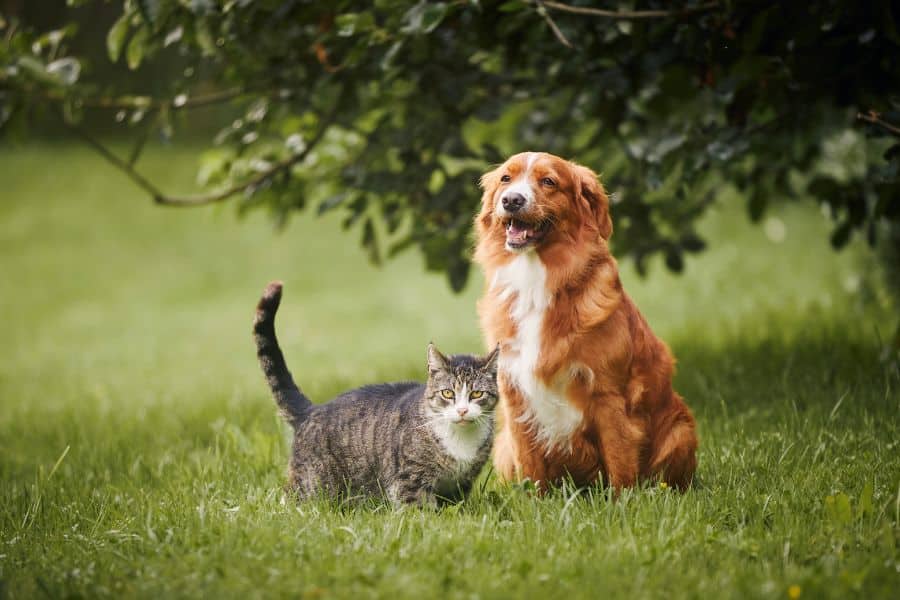
Imagine your usually energetic dog suddenly becomes tired, refuses food, and develops a fever after spending time outdoors. Or perhaps your cat returns from hunting and seems unusually weak the next day. These subtle changes can sometimes point to tularemia in pets, a rare but serious bacterial infection that requires prompt veterinary attention. This guide explains the first symptoms, how tularemia spreads, how veterinarians diagnose and treat it, and when it is time to seek immediate care for your pet.
What are the first symptoms of tularemia in pets
The earliest symptoms of tularemia can appear suddenly and often resemble many other illnesses. Most affected pets develop a fever, lethargy, loss of appetite, and swollen lymph nodes within a few days of exposure. Because these signs are not unique to tularemia, veterinary evaluation is essential for an accurate diagnosis.
Tularemia is caused by the bacterium Francisella tularensis. Dogs usually become infected after contact with infected wildlife, while outdoor cats face a higher risk because they frequently hunt rabbits and rodents. Insects such as ticks and deer flies can also spread the bacteria.
Although tularemia is uncommon, it progresses quickly in some pets. Paying attention to small behavioral changes can help you recognize a problem before more severe complications develop.
Some of the earliest signs include:
- Fever
- Low energy or unusual tiredness
- Poor appetite
- Swollen lymph nodes
- Mild dehydration
- Eye or nasal discharge
- General weakness
These symptoms should never be ignored, especially if your pet recently spent time outdoors or interacted with wild animals.
What causes tularemia in pets
Tularemia develops when a pet is exposed to the bacteria through infected animals or contaminated environments. Outdoor lifestyles increase the likelihood of exposure, although indoor pets can occasionally become infected under certain circumstances.
Common sources include:
- Hunting or eating infected rabbits or rodents
- Tick bites
- Deer fly bites
- Drinking contaminated water
- Contact with infected animal tissues
Cats are generally more susceptible to severe illness than dogs because of their hunting instincts. Dogs often investigate wildlife by sniffing or carrying animals, which also creates opportunities for exposure.
The bacteria enter the body through the mouth, skin wounds, eyes, or respiratory tract. Once inside, they multiply rapidly and spread through the bloodstream, affecting multiple organs if treatment is delayed.
Knowing your pet’s recent activities helps your veterinarian narrow down possible causes when symptoms appear.
Signs and symptoms to watch for
As the infection progresses, additional symptoms may develop beyond the initial fever and fatigue. The severity varies depending on the amount of bacteria involved and your pet’s overall health.
Watch for these warning signs:
- Persistent fever
- Complete loss of appetite
- Enlarged lymph nodes
- Vomiting
- Diarrhea
- Difficulty breathing
- Yellow gums or eyes
- Mouth ulcers
- Pain when moving
- Dehydration
Some pets may also appear withdrawn or hide more than usual. Cats often become less interested in grooming, while dogs may refuse walks or playtime.
In advanced cases, the infection can affect the liver, lungs, and other organs. Without timely treatment, complications become significantly more serious.
Any combination of fever, weakness, and recent wildlife exposure deserves prompt veterinary evaluation.
How veterinarians diagnose and treat the condition
Diagnosing tularemia begins with a detailed history of your pet’s recent activities. Information about hunting, tick exposure, or contact with wildlife can provide valuable clues.
Your veterinarian may recommend:
- Complete physical examination.
- Blood testing.
- Urinalysis.
- Imaging if internal organs appear affected.
- Specialized laboratory testing to identify the bacteria.
Because tularemia can resemble many other infections, laboratory confirmation is often necessary before establishing a final diagnosis.
Consider this realistic example.
A middle-aged outdoor cat was brought in after returning home unusually quiet and refusing meals for two days. During the examination, swollen lymph nodes and a high fever were noted. Based on the cat’s hunting history and diagnostic testing, tularemia became the leading concern. Treatment began immediately with appropriate medications and supportive care. Within several days, the cat gradually regained energy and appetite, making a steady recovery.
Treatment typically focuses on:
- Appropriate antibiotics
- Intravenous fluids if dehydration is present
- Pain management
- Nutritional support
- Monitoring for complications
Early treatment through preventive care greatly improves the chances of recovery.
What pet owners can do at home
Home care should never replace professional treatment for tularemia, but supportive care can help your pet recover after veterinary evaluation.
Helpful steps include:
- Encourage water intake.
- Offer easily digestible food if recommended.
- Administer medications exactly as prescribed.
- Keep your pet indoors during recovery.
- Monitor appetite, temperature, and energy level.
- Prevent contact with wildlife.
Avoid handling sick wildlife yourself, especially rabbits or rodents found outdoors. If your pet has interacted with an ill wild animal, contact your veterinarian even if symptoms have not yet appeared.
It is also important to wash your hands thoroughly after handling your pet, particularly if there are draining wounds or body fluids. Good hygiene protects everyone in the household while your pet receives treatment.
Follow-up appointments help ensure the infection has fully resolved and allow your veterinarian to monitor recovery.
When should you seek veterinary care
Because tularemia can worsen rapidly, delaying treatment increases the risk of severe illness.
Seek veterinary care immediately if your pet develops:
- Sudden fever
- Refusal to eat for more than one day
- Extreme lethargy
- Difficulty breathing
- Swollen lymph nodes
- Persistent vomiting
- Yellow discoloration of the gums or eyes
- Collapse or inability to stand
Pets that recently hunted wildlife, experienced tick exposure, or spent time in wooded areas deserve particular attention if they begin acting differently.
Even when symptoms seem mild at first, early evaluation allows your veterinarian to identify serious illnesses before they become life-threatening. Waiting to see if your pet improves on their own may reduce treatment success and prolong recovery.
Conclusion
Recognizing the first symptoms of tularemia can make a meaningful difference in your pet’s recovery. Fever, tiredness, loss of appetite, and swollen lymph nodes are among the earliest warning signs that should never be overlooked, particularly after outdoor activities or wildlife exposure. Early diagnosis and prompt treatment offer the best chance for a successful outcome. If your dog or cat develops concerning symptoms, the experienced team at Superior Animal Hospital and Boarding Suites in Superior, WI, is ready to evaluate your pet and provide timely, compassionate care. Scheduling an examination as soon as symptoms appear can help protect your pet’s health and support a smoother recovery.
FAQs
Q1: What is tularemia in pets?
A: Tularemia is a bacterial infection caused by Francisella tularensis. Although uncommon, it can become serious quickly if left untreated and requires prompt veterinary care.
Q2: Can indoor pets get tularemia?
A: Indoor pets have a much lower risk, but exposure is still possible if infected wildlife enters the home or if insects carrying the bacteria gain access indoors.
Q3: Is tularemia contagious between pets?
A: Direct transmission between household pets is considered uncommon. Most infections occur after exposure to infected wildlife, ticks, or contaminated environments.
Q4: How long does recovery take after treatment?
A: Recovery depends on the severity of the infection and how quickly treatment begins. Many pets begin improving within several days, while full recovery may take longer with continued monitoring.
Q5: When should I call a veterinarian about suspected tularemia?
A: Contact a veterinarian immediately if your pet develops fever, weakness, swollen lymph nodes, loss of appetite, or breathing difficulties after outdoor activity or wildlife exposure. Early treatment offers the best chance of recovery.



Superior