
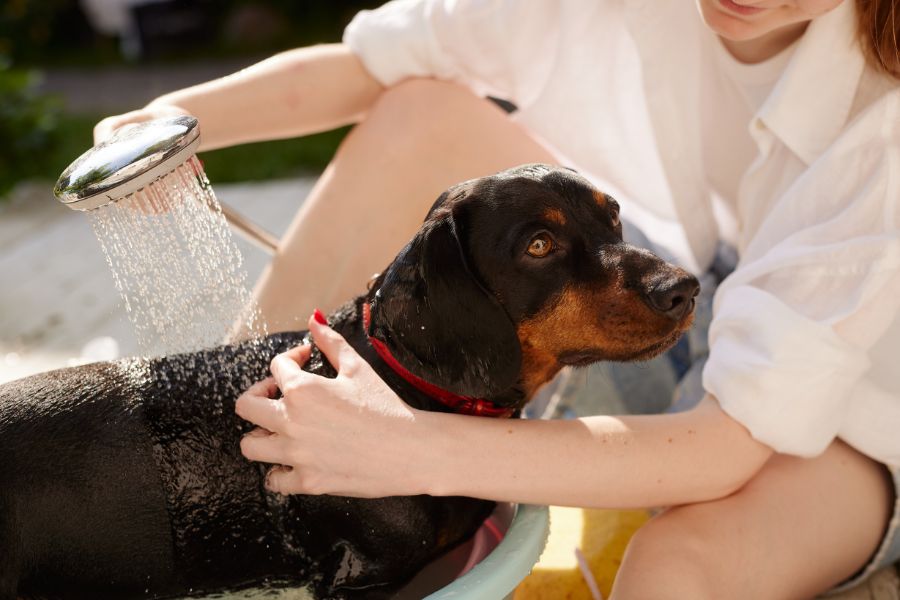
Summer can be a fun season for pets, but rising temperatures can quickly become dangerous if proper precautions are not taken. Dogs and cats are more sensitive to heat than many pet owners realize, and overheating can lead to serious health emergencies like heatstroke. In this guide, you’ll learn how to keep your pets cool in summer, the common signs of overheating, and what to do if your pet becomes too hot. We’ll also cover simple daily habits that help protect pets during hot weather and keep them safe, healthy, and comfortable all season long.
Why Summer Heat Can Be Dangerous for Pets?
Pets do not cool down the same way humans do. Dogs mainly regulate body temperature through panting and limited sweating through their paw pads. Cats groom themselves to cool off, but they can still overheat in extreme temperatures.
High humidity and hot pavement can make things even worse. Certain pets are at a higher risk for heat-related illnesses, including:
- Senior pets
- Puppies and kittens
- Overweight pets
- Flat-faced breeds like Bulldogs and Pugs
- Pets with heart or breathing conditions
- Thick-coated breeds
Even a short amount of time outdoors in extreme heat can become dangerous.
Common Signs of Overheating in Pets
Recognizing the early signs of overheating can help prevent a medical emergency. Some symptoms start mild but can quickly progress if the pet is not cooled down.
Early Signs of Overheating
Watch for these common symptoms:
- Excessive panting
- Drooling more than usual
- Bright red gums or tongue
- Restlessness
- Rapid heartbeat
- Warm skin or ears
- Seeking cool surfaces
These signs often mean your pet is struggling to regulate body temperature.
Severe Signs of Heatstroke
If overheating continues, pets can develop heatstroke, which is a life-threatening condition.
Signs include:
- Vomiting or diarrhea
- Weakness or collapse
- Disorientation
- Difficulty breathing
- Seizures
- Loss of consciousness
Heatstroke requires immediate veterinary care.
How to Keep Your Pets Cool in Summer?
Preventing overheating is much easier than treating it. A few simple adjustments to your pet’s routine can make a huge difference during hot weather.
Provide Plenty of Fresh Water
Hydration is one of the most important ways to keep pets cool in summer.
Tips for better hydration include:
- Refill water bowls multiple times a day
- Add extra water stations around the house
- Bring portable water bottles on walks
- Add ice cubes to water bowls for extra cooling
Some pets enjoy pet-safe frozen treats made from broth or fruit.
Avoid Outdoor Activities During Peak Heat
The hottest part of the day is usually between 10 a.m. and 4 p.m. Try to schedule walks and playtime during cooler hours.
Best times for outdoor activity:
- Early morning
- Late evening
Shorter walks are safer during heat waves. Always monitor your pet closely for signs of exhaustion.
Protect Pets From Hot Pavement
Sidewalks and asphalt can become dangerously hot during summer.
A simple test is to place the back of your hand on the pavement for seven seconds. If it feels too hot for you, it is too hot for your pet’s paws.
To reduce paw injuries:
- Walk on grass whenever possible
- Use protective booties
- Avoid midday walks
- Stick to shaded areas
Burned paw pads can be painful and may require veterinary treatment.
Create Cool Indoor Spaces
Keeping pets indoors during extreme heat is often the safest option.
Ways to cool indoor spaces include:
- Using fans or air conditioning
- Closing curtains during the hottest hours
- Providing cooling mats
- Allowing access to tile floors
- Keeping bedding away from direct sunlight
Cats and dogs naturally look for cooler resting spots when temperatures rise.
Never Leave Pets in a Parked Car
Even with cracked windows, a parked car can become deadly within minutes.
On an 85-degree day, the inside of a vehicle can exceed 100 degrees very quickly. Pets trapped inside may suffer heatstroke before help arrives.
Never leave a pet unattended in a vehicle, even for a short errand.
Groom Your Pet Properly During Summer
Regular grooming helps remove excess fur and improves airflow through the coat.
However, shaving is not always recommended. Some double-coated breeds rely on their fur for insulation against heat.
Talk with your veterinarian or groomer about the best summer grooming plan for your pet.
Helpful grooming habits include:
- Brushing regularly
- Removing mats
- Trimming fur around paws
- Keeping coats clean
Cooling Products That Can Help Pets Stay Comfortable
There are several pet-safe cooling products available that can improve comfort during summer.
Popular options include:
- Cooling mats
- Cooling vests
- Elevated pet beds
- Frozen chew toys
- Portable fans
- Pet splash pools
Always supervise pets when introducing new products.
What to Do If Your Pet Is Overheating
If you suspect overheating, quick action is important.
Step 1: Move Your Pet to a Cool Area
Bring your pet indoors immediately or into shade with airflow.
Step 2: Offer Cool Water
Allow small amounts of cool water. Do not force drinking.
Avoid ice-cold water because it can sometimes shock the body.
Step 3: Lower Body Temperature Slowly
Use cool, damp towels on:
- Paws
- Belly
- Neck
- Armpits
You can also use a fan to help cool.
Step 4: Contact Your Veterinarian
Even if your pet seems better, overheating can cause internal damage that is not immediately visible.
A veterinarian can evaluate hydration levels, body temperature, and organ function.
Special Summer Safety Tips for Dogs
Dogs often spend more time outdoors during summer, which increases heat risks.
Important safety reminders include:
- Avoid intense exercise in hot weather
- Carry water during walks
- Use shaded dog parks
- Monitor brachycephalic breeds closely
- Watch for excessive panting after play
Swimming can also be a great cooling activity if supervised safely.
Special Summer Safety Tips for Cats
Cats may appear independent, but they can still become overheated indoors or outdoors.
To help cats stay cool:
- Keep litter boxes in cool rooms
- Provide shaded window areas
- Encourage hydration with water fountains
- Avoid overexertion during play
- Monitor outdoor cats during heat waves
Cats sometimes hide signs of illness, so subtle behavior changes should not be ignored.
How Does Humidity Affect Pets?
Humidity makes it harder for pets to cool themselves through panting. Even moderate temperatures can become dangerous when humidity is high.
Signs that humidity may be affecting your pet include:
- Heavy panting after minimal activity
- Increased lethargy
- Sticky gums
- Slower recovery after exercise
Always check both temperature and humidity levels before outdoor activities.
When to Call a Veterinarian Immediately
Seek emergency veterinary care if your pet shows:
- Collapse
- Difficulty breathing
- Vomiting
- Seizures
- Extreme lethargy
- Unresponsiveness
Heatstroke can progress rapidly and should never be treated as a minor issue.
Conclusion
Knowing how to keep your pets cool in summer can help prevent dangerous heat-related illnesses and keep your furry companions comfortable during warm weather. Simple steps like providing fresh water, limiting outdoor activity during peak heat, and recognizing signs of overheating can make a major difference in your pet’s safety. If your pet shows signs of overheating or heatstroke, do not wait to seek professional care. The team at Superior Animal Hospital and Boarding Suites in Superior, WI can help keep your pets healthy and safe throughout the summer season.
FAQs
Q1: What temperature is too hot for pets outside?
Most pets can struggle in temperatures above 85°F, especially with high humidity. Flat-faced breeds and senior pets may overheat even sooner.
Q2: How can I tell if my dog is overheating?
Common signs include excessive panting, drooling, red gums, weakness, vomiting, and difficulty breathing.
Q3: Are cooling mats safe for pets?
Yes, most pet cooling mats are safe when used properly. Always choose products designed specifically for pets.
Q4: Can cats get heatstroke indoors?
Yes, cats can overheat indoors if ventilation is poor or indoor temperatures become too high during heat waves.
Q5: Should I shave my dog in summer to keep them cool?
Not always. Some breeds rely on their coats for insulation against heat. Talk with your veterinarian before shaving your pet’s fur.
Superior