

As pet parents, we want our dogs and cats to live long, happy, and comfortable lives. We focus on exercise, vaccines, and regular checkups, but one important area is often overlooked until dental health problems appear. Bad breath, red gums, trouble chewing, or changes in appetite can all point to dental disease, which affects far more than just your pet’s mouth. While brushing and professional cleanings are essential, nutrition also plays a powerful role in maintaining healthy teeth and gums. One nutritional option gaining attention is seafood-based diets, which can support oral health when used correctly. This blog guide will help you understand how food, especially seafood, can support your pet’s dental care plan.
Why Pet Dental Health Matters More Than You Think
Dental disease is one of the most common health issues seen by veterinarians. Plaque buildup can begin as early as a few months of age and may lead to gingivitis, infection, tooth loss, and pain if not addressed.
What many pet owners don’t realize is that dental disease doesn’t stay in the mouth. Bacteria from infected gums can enter the bloodstream and affect vital organs like the heart, kidneys, and liver. That’s why veterinarians stress prevention instead of waiting for visible symptoms.
Routine dental care combined with proper nutrition helps:
- Reduce painful oral infections
- Improve appetite and digestion
- Prevent serious long-term health complications
- Support a better quality of life
Working with a trusted veterinary hospital near you ensures dental issues are caught early and managed safely.
The Connection Between Nutrition and Dental Care
Nutrition impacts nearly every system in your pet’s body, including their teeth and gums. A poor-quality diet can contribute to inflammation, plaque buildup, and weakened immunity. On the other hand, a balanced, high-quality diet supports healthy tissues and natural defenses against bacteria.
Certain textures and nutrients in food can:
- Help reduce plaque accumulation
- Support gum strength
- Decrease inflammation
- Promote healing of oral tissues
That’s where seafood-based nutrition comes into the picture.
How Seafood Supports Pet Dental Health
Seafood isn’t just a tasty option; it provides key nutrients that support dental and overall health. When included in properly formulated pet food, seafood can complement professional dental care.
1. Omega-3 Fatty Acids Reduce Gum Inflammation
Fish such as salmon, sardines, and mackerel are rich in omega-3 fatty acids. These healthy fats are known for their anti-inflammatory properties. In pets, omega-3s can help:
- Reduce gum swelling
- Ease oral discomfort
- Support healing after dental procedures
Healthier gums create a stronger barrier against bacteria.
2. High-Quality Protein Supports Strong Teeth
Seafood provides easily digestible, high-quality protein that supports tissue repair and immune function. Strong immune defenses help your pet fight oral infections before they become serious.
3. Essential Minerals Promote Oral Strength
Many seafood-based diets contain natural minerals like zinc and phosphorus, which are important for maintaining healthy teeth and gums. These nutrients help strengthen oral tissues and support normal cell repair.
Dental Disease Prevention Starts Early
Many pet owners believe dental care is only necessary once their pet shows symptoms. In reality, preventive dental care should begin early in life. Puppies and kittens benefit from early exposure to dental-friendly diets and gentle oral care routines. Adult pets need ongoing support through nutrition, home care, and regular dental exams. Senior pets, in particular, often need extra attention to maintain comfort and prevent pain. If you’re unsure where your pet stands, scheduling an exam with a vet is the best place to start.
Choosing the Right Seafood-Based Diet for Your Pet
Not all seafood products are safe or beneficial for pets. Human food scraps, seasoned fish, or cooked bones can actually be dangerous. Always choose vet-approved pet foods designed specifically for dogs or cats.
What to Look For:
- Named fish sources like salmon or whitefish
- Balanced formulas approved by veterinary professionals
- Foods designed for your pet’s life stage
What to Avoid:
- Raw or undercooked fish
- Fish with added salt, spices, or sauces
- Fish bones
Your veterinarian can help you select the right diet based on your pet’s age, breed, and dental needs.
Practical Dental Care Tips You Can Use at Home
Maintaining dental health doesn’t require complicated routines. Small, consistent habits can make a big difference over time.
Here are some simple steps recommended by veterinary teams:
- Feed a balanced diet with dental-supportive ingredients
- Brush your pet’s teeth several times a week using pet-safe toothpaste
- Use dental chews recommended by your vet
- Provide fresh water daily
- Watch for warning signs like bad breath, drooling, or chewing difficulty
If brushing is difficult, don’t worry, a visit to an experienced vet team can help identify alternatives and rule out dental pain.
The Role of Professional Veterinary Dental Care
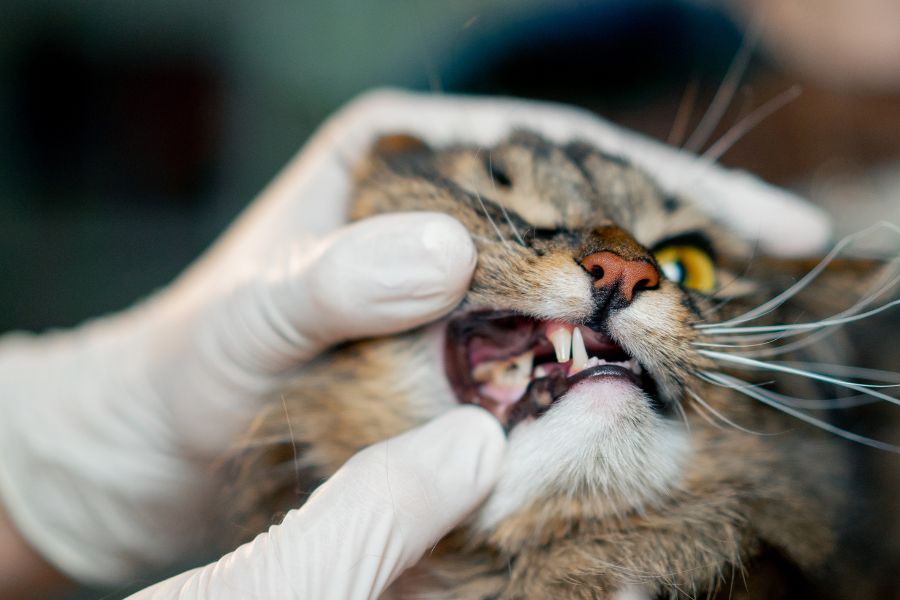
No at-home routine can replace professional dental services. Veterinary dental exams allow trained professionals to assess areas below the gumline where disease often begins.
At Superior Animal Hospital and Boarding Suites, our dental care services include:
- Comprehensive oral exams
- Professional dental cleanings
- Digital dental imaging
- Personalized dental care plans
As a trusted veterinary hospital, we focus on prevention, comfort, and long-term wellness. Regular dental visits reduce the risk of painful procedures and improve overall health.
A Healthier Smile Starts with Smart Nutrition
Dental health is about more than clean teeth; it’s about comfort, confidence, and lifelong wellness. Seafood-based nutrition, when used correctly, can support healthy gums, reduce inflammation, and strengthen your pet’s defenses against dental disease.
Combined with routine exams and professional dental care, the right diet can help your pet enjoy a healthier, happier life. If you’re unsure whether your pet’s current food supports their dental health, now is a great time to talk with a veterinarian. If you are searching for “vet near me,” you can visit Superior Animal Hospital and Boarding Suites in Superior, WI, to get advice from the experienced vet team. Schedule an appointment today and take the first step toward better dental care for your pet.
FAQs
Q1: Is seafood safe for dogs and cats?
Ans: Yes, when included in vet-approved pet food, seafood is safe and beneficial. Avoid raw fish or seasoned human food.
Q2: Can nutrition really improve dental health?
Ans: Nutrition alone won’t prevent dental disease, but it plays a major supporting role when combined with brushing and professional care.
Q3: How often should my pet have a dental exam?
Ans: Most pets benefit from yearly dental exams. Some breeds and senior pets may need more frequent visits.
Q4: Are dental chews enough for oral care?
Ans: Dental chews help reduce plaque, but they don’t replace brushing or professional cleanings.
Q5: What are the early signs of dental disease?
Ans: Bad breath, red gums, difficulty chewing, drooling, or behavior changes are common warning signs.
Q6: When should I visit a veterinary hospital for dental care?
Ans: If you notice tartar buildup, gum inflammation, or pain, schedule a visit with an animal hospital as soon as possible.



Superior