

When several pets need veterinary attention on the same day, the clinic must decide which patients should be assessed first. A pet with sudden breathing difficulty has different needs from a dog with a mild limp or a cat with a small skin irritation. Veterinary teams use triage, a process of assessing symptoms and deciding how quickly each patient needs care. This helps the team respond to pets based on their medical needs rather than simply the order in which owners call or arrive. Understanding how veterinary teams prioritize urgent pet care appointments can help you know what to expect when you contact a clinic. Superior Animal Hospital in Superior, WI, asks pet owners to call first so the team can assess the situation and plan accordingly.
How Do Veterinary Teams Decide Which Pet Needs to Be Seen First?
Veterinary teams prioritize appointments by assessing the seriousness of each pet’s symptoms, how quickly the condition may change, and the level of care needed. Pets with signs of severe distress generally need attention before those with stable, less serious concerns. The team uses the information provided by the owner and an initial assessment to determine the next step.
This process is called veterinary triage. It helps the clinic organize incoming patients while making sure that pets with the greatest medical needs receive timely attention.
Factors may include:
- Difficulty breathing
- Collapse or inability to stand
- Heavy bleeding or significant injury
- Seizures
- Severe or sudden pain
- Repeated vomiting with weakness
- Sudden changes in alertness
- Symptoms that are quickly getting worse
A pet with a mild, stable concern may need an appointment but may not require the same level of immediate attention as a pet showing severe signs.
What Information Does the Team Need When You Call?
The phone conversation is an important part of the prioritization process. The more clearly you describe the problem, the easier it is for the team to understand what your pet may need.
Be prepared to answer questions such as:
- What is happening? Describe the symptoms in everyday words.
- When did it begin? Explain whether the change happened suddenly or developed over several days.
- Is it getting worse? Mention any changes since you first noticed the problem.
- How is your pet acting? Describe appetite, drinking, movement, and alertness.
- Is there a known injury or exposure? Share relevant recent events.
- Does your pet have an existing condition? Mention medical history and current medication.
If you are unsure how to describe a symptom, explain what you see rather than trying to name the condition. For example, say that your dog is breathing faster than usual or that your cat repeatedly enters the litter box without producing much urine. Do not wait to call because you are unsure whether a symptom is serious. The clinic can ask follow-up questions and help you decide what to do.
Why Might a Pet With a Later Appointment Be Seen First?
Appointment order and medical priority are not always the same. A clinic may need to change its schedule when a pet arrives with a more serious condition than expected.
For example, a dog with a small skin irritation may have been scheduled first, but another patient may arrive with sudden weakness and difficulty standing. The veterinary team may need to assess the second pet before continuing with less time-sensitive appointments.
This does not mean the first pet’s concern is unimportant. It means the team is responding to the medical needs of all patients.
If your appointment is delayed, ask the staff for an update when appropriate. They may be able to explain that a patient needs additional attention and provide an estimate of the next available time.
What Happens During the Initial Assessment?
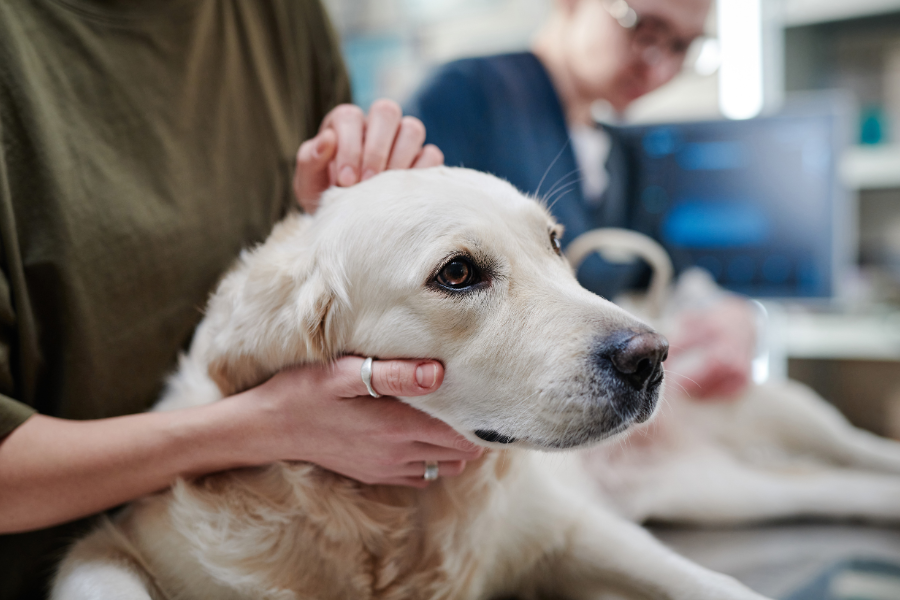
When your pet arrives, the veterinary team may begin by observing general condition and checking for signs that need prompt attention. The veterinarian may then perform a focused physical examination.
Depending on the symptoms, this may involve checking:
- Breathing and heart rate
- Temperature and hydration
- Alertness and movement
- Gum color and circulation
- Signs of pain
- Visible wounds or swelling
- The area related to the main concern
The findings help the veterinarian decide whether your pet needs further testing or treatment right away.
Hypothetical case study: Imagine two pets arriving close together. A dog named Max has a mild limp but is alert and comfortable, while a cat named Luna is unusually weak and struggling to breathe. The veterinary team assesses Luna first because her symptoms suggest a more immediate need for attention. Once Luna is receiving care, the team can return to Max’s examination.
This fictional example illustrates why appointment timing may change. The team is responding to the condition of each patient, not making a judgment about which owner arrived first.
How Do Diagnostic Tests Affect Appointment Priority?
Some pets need testing before the veterinarian can understand the cause of their symptoms. The type and timing of testing depend on the pet’s condition.
Common diagnostic options include:
| Diagnostic test | What it can help assess |
|---|---|
| Blood work | Organ function and general health indicators |
| Urine testing | Urinary concerns and certain internal conditions |
| Digital X-rays | Bones, joints, and selected internal structures |
| Ultrasound | Soft tissues and internal organs |
| Fecal testing | Certain intestinal concerns |
A pet that needs testing may spend more time at the clinic than one whose concern can be assessed through a physical examination. Some results are available quickly, while others may require additional review or follow-up. The veterinarian will explain why a test is recommended and how the results may affect the treatment plan.
What Can Pet Owners Do to Help the Triage Process?
You can support the veterinary team by providing clear information and following the clinic’s instructions.
Helpful steps include:
- Call before arriving when possible.
- Describe the symptoms honestly and clearly.
- Mention if the condition is getting worse.
- Share your pet’s medical history.
- Bring medication details and previous test results.
- Keep your pet safely contained during transport.
- Follow the staff’s instructions when you arrive.
Avoid giving medication without veterinary advice. If your pet is in pain, injured, or frightened, handle them carefully. A painful animal may react differently than usual, even with familiar people.
What Should You Expect When the Clinic Is Busy?
A busy clinic may need to adjust appointment times as new patients call or arrive. Some visits may take longer because the veterinarian needs to perform tests, provide treatment, or monitor a pet’s response.
If your pet is stable and the clinic cannot see them immediately, ask whether an appointment later that day is possible or whether the team recommends another option. If your pet’s symptoms change while you are waiting, contact the clinic again rather than assuming the original assessment still applies.
Superior Animal Hospital asks pet owners to call first for urgent care. This gives the team an opportunity to understand the concern and assess how to accommodate the pet.
How Does Superior Animal Hospital Handle Urgent Care Requests?
Superior Animal Hospital provides urgent care services for pets in Superior, WI, and surrounding communities. Its urgent care guidance asks owners to call the office so the team can triage the situation and plan for the appointment. Call 715-392-6211 to describe your pet’s symptoms and ask about the next available care option. Calling first helps the team understand your pet’s needs before you arrive. It also gives you an opportunity to explain any changes in your pet’s condition during the conversation.
Conclusion
Veterinary teams prioritize urgent appointments by looking at each pet’s symptoms, overall condition, and need for prompt treatment. Calling ahead and providing clear details helps the staff assess the situation and plan the next step. Appointment order may change when another pet needs more immediate attention, but every patient deserves careful assessment. Superior Animal Hospital in Superior, WI, asks pet owners to call before arriving for urgent care so the team can triage the concern. If your pet develops sudden or worsening symptoms, contact the veterinary clinic and explain what you have noticed.
Frequently Asked Questions
Q1. What does veterinary triage mean?
Ans: Veterinary triage is the process of assessing a pet’s symptoms and deciding how quickly the animal needs attention. It helps veterinary teams prioritize patients based on medical need rather than arrival order alone.
Q2. Why might another pet be seen before mine?
Ans: A pet with more serious or rapidly changing symptoms may need to be assessed first. The clinic may adjust its schedule to respond to that patient’s needs. Your pet’s appointment remains important, and the team can provide an update when possible.
Q3. What should I tell the veterinarian when requesting an urgent appointment?
Ans: Explain the symptoms, when they started, whether they are getting worse, and how your pet is eating, drinking, moving, and behaving. Mention current medication, existing health conditions, and any recent injury or unusual event.
Q4. Does Superior Animal Hospital ask clients to call before urgent care visits?
Ans: Yes. Superior Animal Hospital asks pet owners to call first so the team can understand the symptoms and triage the situation. Call 715-392-6211 to discuss your pet’s needs.
Q5. Can my pet’s appointment priority change after I arrive?
Ans: Yes. The veterinary team may reassess patients if new symptoms appear or another pet arrives with a more serious concern. If your pet’s condition changes while waiting, tell the staff immediately.


Superior