
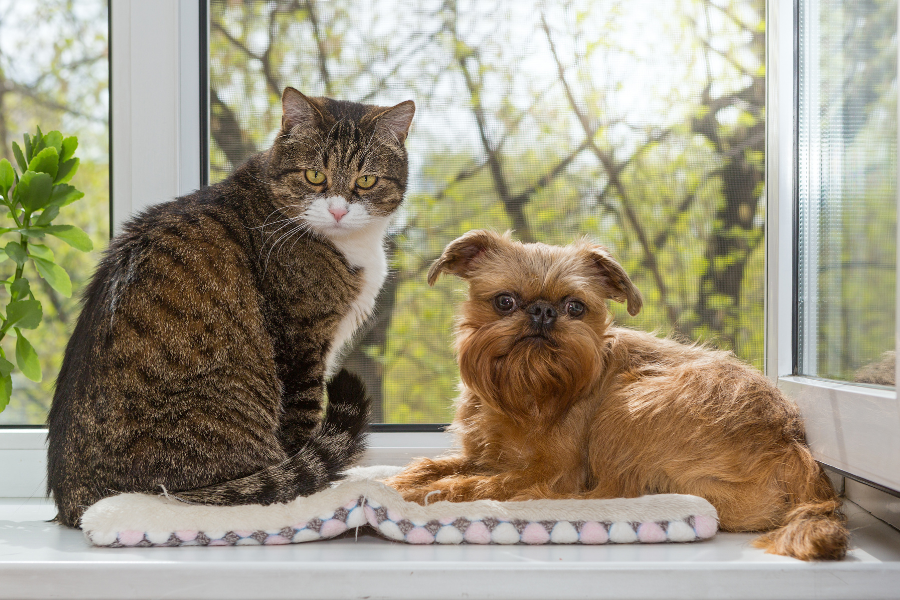
Pets do not always show signs of illness gradually. A dog may wake up limping, a cat may suddenly stop eating, or a normally playful companion may become unusually quiet. When a new health concern appears, you may wonder whether your pet can wait for a regular appointment. Same-day veterinary care gives pets an opportunity to receive prompt attention when symptoms should be checked sooner. The veterinarian can assess the problem, recommend tests if needed, and explain the next steps. At Superior Animal Hospital in Superior, WI, the team offers urgent care appointments and asks pet owners to call first so the staff can understand the concern and plan for the visit.
When Does Your Pet Need Same-Day Veterinary Care?
Same-day veterinary care is appropriate when your pet develops a new or worsening health concern that should be assessed sooner than a routine appointment. Examples include repeated vomiting, sudden limping, unusual weakness, changes in appetite, or signs of pain. A veterinarian can help determine how quickly your pet needs to be seen based on the symptoms and overall condition.
Contact a veterinary clinic promptly if you notice:
- Repeated vomiting or diarrhea
- Sudden loss of appetite or refusal to drink
- New limping or difficulty standing
- Unusual tiredness or weakness
- A painful, swollen, or injured area
- Eye redness, squinting, or unusual discharge
- Repeated scratching or head shaking
- Changes in urination or bowel habits
- Sudden behavior changes that concern you
One mild symptom may not always require a same-day visit. However, symptoms that continue, become more severe, or occur together deserve attention. Difficulty breathing, collapse, seizures, heavy bleeding, or severe trauma require immediate veterinary assessment at a facility equipped to manage critical conditions.
What Should You Do Before Arriving at the Veterinary Clinic?
The first step is to call the clinic and describe what you have noticed. Calling helps the veterinary team understand your pet’s needs and explain whether the clinic can accommodate an appointment that day.
Try to share clear details, including:
- When the symptoms started: Give an approximate time or date.
- What has changed: Explain whether your pet is eating, drinking, walking, and behaving normally.
- How symptoms have progressed: Mention whether they are improving, staying the same, or getting worse.
- Recent events: Share information about a possible injury, new food, or unusual activity.
- Current medication: Provide the names and amounts of any medication your pet takes.
If possible, take a short video of unusual movement, coughing, or another symptom. This can help the veterinarian understand what happens at home, especially if the behavior is not present during the appointment.
Avoid giving human medication or leftover prescriptions unless a veterinarian specifically instructs you to do so. Some products that are safe for people can be harmful to pets.
What Happens During a Same-Day Veterinary Appointment?
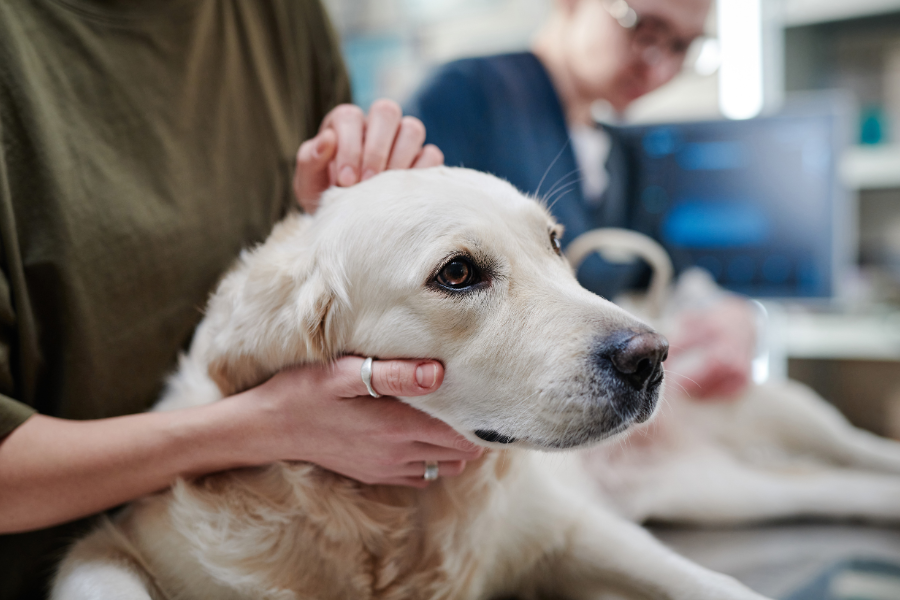
The visit usually begins with a discussion about your pet’s symptoms and medical history. The veterinarian then performs a physical examination to look for signs that may explain the problem.
Depending on the concern, the examination may include checking:
- Heart rate and breathing
- Temperature and hydration
- Eyes, ears, and mouth
- Skin and coat
- Abdomen
- Joints and movement
- Areas that appear painful or swollen
For example, a dog with a new limp may need a careful examination of the paws, legs, and joints. A cat that is vomiting may need an abdominal examination and questions about eating, drinking, and bathroom habits.
The veterinarian may recommend diagnostic testing if the examination does not provide enough information. Blood work, urine testing, digital X-rays, or ultrasound may help investigate the cause. Not every pet needs every test. The choice depends on the symptoms and examination findings.
What Treatment Might Your Pet Need?
Treatment depends on what the veterinarian finds. Some concerns may respond to medication and rest, while others need wound care, fluid support, additional testing, or a more involved treatment plan.
Possible recommendations include:
- Medication for pain or inflammation when appropriate
- Treatment for certain digestive concerns
- Wound cleaning and care
- Fluid support when dehydration is present
- Changes to activity or feeding routines
- Follow-up examinations
- Further diagnostic testing
Your veterinarian should explain the purpose of each recommendation and how to follow the plan at home. Ask how to give medication, whether your pet should avoid exercise, and what signs mean you should call again.
Hypothetical case study: Imagine a dog named Bailey who suddenly begins limping after playing in the yard. Bailey’s owner calls the clinic, explains that the dog is still eating but avoids putting weight on one front leg, and arranges an appointment. During the examination, the veterinarian checks Bailey’s paw and joints and recommends imaging to investigate the cause. The findings help guide a treatment plan and activity instructions.
This example shows why a prompt examination can be useful. A limp may come from a paw injury, muscle strain, joint problem, or another condition, and the right treatment depends on the cause.
How Can You Help Your Pet Recover After the Visit?
Once your pet has been examined, follow the instructions provided by the veterinary team. Recovery may involve medication, rest, a change in activity, or a follow-up visit.
At home, keep an eye on:
- Appetite and water intake
- Energy and normal behavior
- Walking and movement
- Bathroom habits
- Any wound or affected area
- Changes in the original symptoms
Give medication exactly as directed. Do not stop treatment early or adjust the amount without speaking to your veterinarian. If your pet does not improve as expected, contact the clinic for guidance.
A quiet resting area can also help your pet recover. Keep food, water, and bedding easy to reach, especially if movement is uncomfortable.
How Does Superior Animal Hospital Help Pets With Urgent Care Needs?
Superior Animal Hospital provides urgent care services for pets in Superior, WI, and nearby communities, including Duluth, South Range, Hermantown, and Lake Nebagamon. The clinic asks pet owners to call before arriving. This allows the team to understand the concern and assess how to fit the appointment into the day’s schedule.
The hospital is located at 36 E 2nd St., Superior, WI 54880. Call 715-392-6211 to discuss your pet’s symptoms and ask about appointment availability.
Calling first is especially helpful when your pet’s condition is changing. The team can explain the next step and whether the clinic is able to see your pet that day.
Conclusion
A sudden change in your pet’s health can be worrying, but knowing what to do can make the next step clearer. Watch for new or worsening symptoms, call the veterinary clinic before arriving, and share as much detail as possible about what you have noticed. An examination and suitable diagnostic tests can help identify the cause and guide treatment. Superior Animal Hospital in Superior, WI, offers urgent care services and asks pet owners to call first so the team can assess appointment needs. If your pet develops a health concern that should not wait, contact the clinic to discuss the situation.
Frequently Asked Questions
Q1. What is same-day veterinary care?
Ans: Same-day veterinary care allows a pet to receive an appointment on the day a health concern develops, when the clinic has availability. It is useful for sudden symptoms that should be checked sooner than a routine visit. The veterinarian assesses the pet and recommends the next steps.
Q2. What symptoms mean my pet may need a same-day vet appointment?
Ans: Repeated vomiting, sudden limping, loss of appetite, unusual weakness, new swelling, or signs of pain may need prompt attention. Call your veterinarian and describe the symptoms. The team can help determine how quickly your pet should be seen.
Q3. Will my pet need tests during a same-day veterinary visit?
Ans: Not every pet needs diagnostic testing. Depending on the examination, the veterinarian may recommend blood work, urine testing, digital X-rays, or ultrasound to investigate the cause of the symptoms.
Q4. Does Superior Animal Hospital offer urgent care appointments?
Ans: Yes. Superior Animal Hospital offers urgent care services and asks clients to call before arriving. Call 715-392-6211 to explain your pet’s symptoms and ask about appointment availability.
Q5. What should I bring to a same-day veterinary appointment?
Ans: Bring your pet’s medical records, a list of current medications, and details about when the symptoms began. Photos or videos of unusual behavior can also help the veterinarian understand what you have observed at home.
Superior